

Nearly 60% of Americans wear the same 20% of their clothes most often. Yet, their closets remain full of unused items. This gap shows where a capsule wardrobe can make a big impact.
This guide gives a practical, step-by-step path to minimalist fashion for people across the United States. It helps readers reduce wardrobe clutter and pick wardrobe essentials. The guide also shows how to mix and match pieces for a timeless style.
By the end, readers will know how to define a capsule wardrobe and select statement pieces and basics. They will learn to create a personalized capsule list and maintain it through all seasons. This approach favors quality over quantity and supports habits that save time and money.
The tone is informational and third-person. It aims to help create a curated closet of staples and outfits that work well together. This start promises a simpler daily routine, fewer decisions, and a confident, timeless style from a well-chosen set of garments.
Understanding the Concept of a Capsule Wardrobe
A capsule wardrobe is a focused way of dressing. It uses fewer pieces that are very versatile. This approach helps simplify choices and build a strong personal style.
It also cuts down on clutter and makes daily dressing easier and more purposeful.
Definition of a Capsule Wardrobe
A capsule wardrobe is a small, chosen collection of clothes that mix well. It helps you create many outfits with fewer items. Usually, it has 30–40 pieces, including outerwear and shoes.
Some prefer a stricter set of 10–20 pieces for a minimalist look. Underwear, workout clothes, and accessories may be counted separately.
Benefits of Adopting Minimalism
Minimalist fashion simplifies morning routines by cutting down options. This lowers decision fatigue and speeds up outfit choices.
Over time, costs drop because you buy quality items instead of chasing trends. Traveling is easier with clothes made to mix and match.
This style also supports sustainability by reducing textile waste. People often choose ethical brands or secondhand shops to help the environment.
Historical Context of Capsule Wardrobes
The idea started with Susie Faux at Wardrobe in London during the 1970s. She promoted practical, curated closets.
Donna Karan expanded it in the 1980s and 1990s with her “7 Easy Pieces,” focusing on versatile clothing.
From the 1980s to 2000s, minimalist trends kept the idea alive. In the 2010s, bloggers and editors made the term popular.
They linked it to slow fashion and capsule collections by modern brands. Millennials and Gen Z like this style for convenience and sustainability.
This method fits many lifestyles, from busy professionals to traveling parents. It focuses on timeless fashion that suits all occasions.
Key Principles of Building a Capsule Wardrobe
A compact capsule wardrobe works best when items serve several purposes. Choose pieces that shift easily from work to weekend. This makes daily dressing simpler and keeps a versatile closet lean and practical.
Versatility in Clothing Choices
Pick shapes that layer well and fabrics that drape. A tailored blazer moves from office meetings to coffee runs with ease. Aim for a neutral core like navy, black, gray, or beige.
Add one or two accent colors to add personality. Select silhouettes that flatter your body and pair smoothly in mix and match outfits.
Practical outfit formulas help reduce decision time. Try blazer + white tee + jeans for casual polish. Use crisp shirt + midi skirt + ankle boots for a smart, feminine look.
Keep pieces that act as wardrobe essentials so outfits stay cohesive.
Quality Over Quantity
Invest in durable materials like cashmere, merino, high-quality cotton, wool blends, and leather. Brands such as Everlane, Patagonia, Eileen Fisher, Uniqlo, and Madewell offer reliable basics and staples that last.
Think in cost-per-wear terms. A higher upfront cost spreads over many wears and lowers long-term spending. Follow simple care routines—gentle washing, mending small tears, and using proper hangers to extend each garment’s life.
Seasonal Considerations
Decide on a year-round capsule or build season-specific capsules. Layering turns summer items into fall looks. Swap linen for wool as temperatures change to keep the same style.
Store off-season pieces neatly to free space and protect fabrics. Stock summer with lightweight tees, linen trousers, and breathable dresses. Choose knitwear, coats, and boots for winter.
Rotate a few transitional pieces to maintain cohesion in varied U.S. climates. This supports long-lasting mix and match outfits.
Essential Items for a Capsule Wardrobe
A thoughtfully curated set of pieces gives anyone a clear baseline for daily dressing.
This section lists wardrobe essentials and suggests a few statement items that lift simple looks into memorable ensembles.
Emphasis stays on quality, neutral colors, and the ability to create mix and match outfits for varied occasions.
Basics Every Wardrobe Needs
A compact checklist makes packing and planning simple.
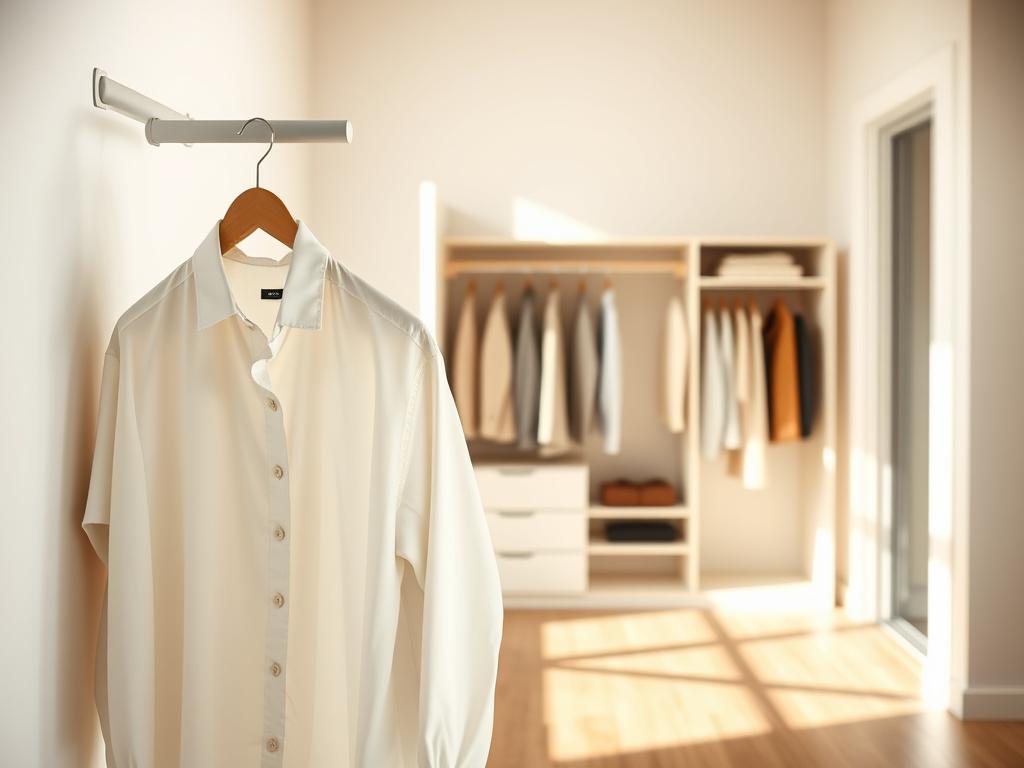
Core fashion staples include a white button-down shirt, plain T-shirts in white, black, and neutral tones, and dark wash jeans.
Add a tailored blazer, neutral trousers, and a versatile dress like a little black dress or something similar.
Outerwear should be a trench coat or wool coat that works with most outfits.
Include a knit sweater, a neutral skirt, quality sneakers, leather ankle boots, simple flats, and functional undergarments.
Choose neutrals like black, navy, white, beige, and gray to keep ensembles cohesive.
Prioritize durable fabrics such as cotton, wool, and linen blends for longevity.
A small alteration budget helps by hemming and taking in garments for a polished fit and longer wearable life.
Statement Pieces to Enhance Style
Limit statement pieces to two to four items to maintain capsule integrity.
Consider a patterned blazer, a bold coat, or a colorful silk scarf.
A printed dress or a distinctive handbag, belt, or jewelry piece offers personality without overwhelming basics.
Statement items should complement neutral basics and make mix and match outfits effortless.
For a professional look, pair a patterned blazer with a white button-down and tailored trousers.
For casual days, wear a colorful silk scarf with jeans and sneakers.
For evening, choose a printed dress with leather ankle boots or heels.
Tailoring keeps statement pieces looking intentional and wearable.
When chosen carefully, these pieces provide timeless style while letting the wearer express individuality.
Focusing on fit and fabric ensures fashion staples serve the wardrobe long term.
Steps to Curate Your Capsule Wardrobe
Building a curated wardrobe starts with clear steps to make the process simple and easy to repeat. A good routine helps transform cluttered closets into functional ones. The next paragraphs explain how to assess your wardrobe, define your style, and create a capsule list.
Assess current wardrobe
Begin by emptying your closet and sorting items into keep, donate, repair, and sell piles. Use these filters: frequency of wear, fit, condition, and versatility. Try the hanger trick: flip hangers backward and turn them forward when you wear an item again.
For seasonal pieces you rarely wear, use the one-year rule to decide what to keep. Donate clothes to Goodwill or The Salvation Army. Sell select items on Poshmark, Depop, or ThredUp to recoup value and reduce waste.
Identify personal style
Create a mood board on Pinterest or save looks on Instagram to notice your favorite themes. Lay out your favorite outfits and note repeating colors, shapes, and fabrics. Match your choices to your daily needs like work or weekend wear.
Follow trusted stylist resources and curated brand pages for ideas and inspiration. Narrow your color palette to three to five neutrals and two accent colors. This helps your wardrobe reflect your life and personal taste.
Create a capsule list
Set a target number of items, like 30, to focus your wardrobe choices. Divide your list into categories: tops, bottoms, outerwear, shoes, and dresses. Assign exact numbers to each so every piece has a purpose.
- Example for a working professional (30 items): 8 tops, 5 bottoms, 3 dresses, 3 blazers/coats, 4 shoes, 7 accessories or seasonal items.
- Example for a casual lifestyle (30 items): 10 tops, 6 bottoms, 2 dresses, 2 jackets, 5 shoes, 5 accessories or seasonal items.
Use a matrix method to boost mix-and-match options. Each item should pair well with many others so outfits multiply. Mapping combinations in a grid helps reveal gaps and avoids unnecessary purchases.
Following these steps lets you assess your wardrobe, refine your personal style, and build a capsule wardrobe. It fits your daily life and long-term style goals.
Tips for Maintaining a Capsule Wardrobe
Keeping a curated closet in good shape takes intention and simple routines. Small, regular actions help maintain quality. They also spot gaps and extend the life of favorite pieces.
Regularly Reviewing Selections
Schedule wardrobe reviews every three to six months to check fit and wear patterns. Using apps like Cladwell or Stylebook helps spot underused items. A manual outfit log works well for pen and paper fans.
During reviews, note repairs and maintenance needs. Items needing shoe resoling or knit pilling care should join a maintenance schedule. Remove pieces that no longer fit your lifestyle or show heavy wear.
Seasonal Updates
Switching seasons calls for a clear swap system. Move heavy coats and knitwear into storage. Bring out light layers and breathable fabrics.
Reassess fit and condition as you handle each item. Create a small seasonal capsule reserve of five to ten items. This reserve covers weather surprises and refreshes outfits without overfilling the closet.
Use this swap to decide which essentials stay, which need mending, and which get recycled.
Mindful Shopping Habits
Follow simple rules before buying. Wait 24 to 48 hours before deciding on a purchase. Think about cost-per-wear and if the piece fills a capsule gap.
Keep a focused shopping list to avoid impulse buys. Shop secondhand when possible. Choose ethical brands like Everlane, Patagonia, and Eileen Fisher.
Look for certifications such as Fair Trade, GOTS, and B Corp. These habits build a sustainable, long-lasting wardrobe.
Overcoming Challenges in Transitioning
Moving toward a streamlined closet can feel like a big task. Many face emotional barriers, social pressure, and time limits when switching to a capsule wardrobe.
This short guide offers calm, practical steps to ease the change and keep progress steady.
Emotional Attachments to Clothing
Sentimental pieces often stop progress. Take photos of items before letting them go to save the memory without the clutter.
Keeping a small, labeled box for a few meaningful pieces helps keep connection while cutting down clutter.
Repurposing fabric into keepsakes like pillows or patches gives old clothes a new purpose. Set limits, such as one sentimental item per season, to stop collecting too much. Think of decluttering as honoring memories while creating a practical space.
Dealing with Peer Pressure
Social expectations affect how people dress. A capsule wardrobe can still show trends with accessories like scarves, belts, and budget jewelry.
Choosing one statement piece keeps looks fresh without changing the core collection. Talk calmly about your choices.
Saying that a consistent wardrobe makes life easier and supports sustainable shopping can reduce questions. Build confidence by practicing favorite outfit combos before events so you seem intentional and stylish.
Time Management in Curation
Busy schedules make wardrobe updates hard to start. Use a weekend to clear out obvious rejects. Then try wearing outfits for two weeks to test combinations.
Expect to refine your wardrobe over one to three months instead of getting it perfect right away.
Break tasks into short steps. Use checklists, wardrobe apps, and calendar reminders to stay organized.
Busy people can delegate chores like dry cleaning or schedule shopping trips. Plan mall visits or create online shopping lists to avoid impulse buys.
| Challenge | Practical Action | Timeframe |
|---|---|---|
| Emotional attachment | Photograph items, keep one seasonal keepsake, repurpose fabrics | Immediate to ongoing |
| Peer pressure | Use accessories, pick one statement piece, rehearse outfits | Short-term for events |
| Limited time | Weekend purge, two-week outfit test, schedule reminders | 1–3 months for refinement |
| Decision fatigue | Create a capsule list, use wardrobe apps, set shopping rules | Ongoing maintenance |
| Household demands | Delegate errands, plan focused shopping trips, batch tasks | Weekly planning |
These wardrobe tips address common problems in minimal fashion. Small, steady actions build a reliable, stylish closet over time.
Sustainable Fashion and Capsule Wardrobes
Building a capsule wardrobe is a practical way to achieve sustainable fashion. It promotes thoughtful buying habits that extend garment lifespans. This approach also helps reduce waste in your wardrobe.
Readers can learn easy choices that lower water use while cutting carbon footprints. These ideas keep your style fresh and eco-friendly without extra effort.
Eco-Friendly Clothing Choices
Choose fabrics that reduce environmental damage. Organic cotton avoids harmful synthetic pesticides. Tencel uses a closed-loop process to reclaim solvents and save resources.
Recycled polyester turns plastic waste into useful fibers. Wool from responsible sources supports animal welfare and offers durable warmth.
Look for low-impact dyes and clothes made to be repaired. Lifespan is more important than following trends. Think about water use and carbon footprint when picking pieces.
Upcycling and Thrift Shopping
Secondhand shopping makes capsule wardrobes unique and affordable. Try thrift stores, consignment shops, and online resale sites like ThredUp, Poshmark, and The RealReal. Facebook Marketplace often has good local options.
Check seams, stains, odors, and fabric condition before buying. Small repairs can make clothes last longer. Upcycling can mean dyeing, patching, or turning a dress into a skirt.
These tweaks refresh items and help keep them out of landfills.
Supporting Ethical Brands
Look at brands’ supply chain transparency and labor practices. Check for certifications like GOTS, Fair Trade, and OEKO-TEX. Support companies with take-back or repair programs that promote circular design.
Brands such as Patagonia, Eileen Fisher, and Everlane follow ethical paths. Patagonia combines durable outerwear with environmental activism. Eileen Fisher invests in circular initiatives. Everlane shares cost and factory details openly.
Consumers should pick brands that match their values and budget. This helps build a responsible capsule wardrobe for the long term.
The Psychological Benefits of a Capsule Wardrobe
A well-curated closet does more than save space. It changes daily habits and eases mental load. It also opens room for self-expression.
People who adopt minimalist fashion report clearer mornings and better focus throughout the day.
Reduced decision fatigue
Choosing outfits from a small set cuts the number of daily choices. Research links fewer decisions with lower mental strain. It also leads to better task performance later.
When mornings are simple, stress about outfit choices drops. Energy can then go toward work, family, and creative activities.
Increased confidence
A consistent wardrobe that fits well builds a strong personal image. Wearing clothes that match one’s style makes good impressions at meetings and events.
This steady look reduces anxiety before presentations or interviews. It also boosts self-confidence.
Enhanced creativity
Minimalist fashion does not limit creativity. Limits invite play with layers, textures, and accessories.
A 30-item capsule wardrobe can create many distinct looks. Mixing basics with statement pieces adds variety.
Practical tips help vary styles: swap scarves and belts, change shoes, and use different outerwear. These moves keep outfits fresh while the wardrobe stays small.
A simplified closet brings clear psychological wins. Less decision fatigue frees mental space. More confidence steadies social and work life.
Creativity in styling turns limits into a source of fresh ideas and design fuel.
Real-Life Examples of Successful Capsule Wardrobes
Many readers understand the capsule wardrobe idea better when they see real-life results. A Seattle teacher cut down her closet to a small rotation. She saved 20 minutes each morning and reduced clothing budgets by 30% in a year.
A New York consultant created a 30-piece travel capsule. It cut packing time in half, lowered laundry loads, and boosted outfit confidence on trips. These examples show clear benefits: saving time, money, and reducing wardrobe stress.
Famous fashion icons and brands have used capsule wardrobe ideas for years. Donna Karan’s 7 Easy Pieces focuses on mix-and-match clothing. Meghan Markle’s public style favors neutral colors and repeatable shapes.
Modern influencers on Instagram and YouTube use these ideas too. They pick signature pieces to build a clear personal brand. The lesson is simple: consistent colors and quality basics make wardrobes feel intentional and timeless.
Social media inspires and connects people in this movement. Hashtags like #capsulewardrobe and #minimalistfashion share lookbooks. Challenges such as 30×30 or 10×10 show creativity within limits.
TikTok and Pinterest offer quick outfit ideas and grids that users save. For lasting inspiration, curate your favorites, note common colors, and follow creators who focus on lasting style over fast trends.
Practical steps are easy: create a moodboard, choose a target number of items, and start the review process from this guide. Begin small and adjust often. A capsule wardrobe is personal and flexible. Slow changes make habits last longer than quick overhauls.