

Nearly 80% of Americans say clutter makes their home feel stressful. This shows how small routines can make a big difference.
This article teaches a simple weekly home reset. It is a short, set of tasks done once a week. These tasks restore order, make cleaning easier, and keep organization systems working.
This routine is a habit, not a marathon. It helps busy adults and families across the United States keep a calmer living space.
Readers who try this method will have more tidy spaces. They will spend less time on deep cleaning and find items more easily. This reduces feelings of overwhelm.
The focus is on practical home organization that fits real life.
The guide will explain what a weekly home reset is. It will list clear benefits and show how to build a schedule.
It offers room-by-room strategies and lists essential tools. It explains how to involve family members and cover seasonal adjustments.
The guide also addresses common challenges. It suggests ways to track progress and reduce stress.
What is a Weekly Home Reset?
A weekly home reset is a short, consistent practice to keep living spaces neat and functional. It focuses on quick upkeep, not deep cleaning. The goal is to stop clutter from building and keep routines steady.
Definition of a Weekly Home Reset
A weekly home reset means following a checklist each week within a set time. Tasks include tidying busy areas and sorting out items to discard. It also involves wiping key surfaces, emptying trash, and handling mail and paperwork.
The process covers checking laundry and linens, restocking supplies, and returning items to their places.
Importance of Regular Resetting
Regular resets matter because small messes stay small when cleaned weekly. Deep cleaning sessions become fewer and shorter with this habit. Experts like The Home Edit and Merry Maids recommend steady upkeep to ease major cleanups.
Weekly resets also help with home care by preventing damage, like mold from wet surfaces. They can extend the life of furniture and appliances. Keeping a steady routine also supports mental health by adding order and cutting stress from unexpected chores.
Benefits of a Weekly Home Reset
A short, regular reset changes how a household runs. Small, consistent efforts make routines smoother and save time. They also support healthy family habits.
The benefits go beyond tidy rooms. They help clear thinking and create steadier, more balanced days.
Improved Mental Clarity
Research in environmental psychology shows tidy spaces improve focus and lower mental strain. A weekly refresh helps keep visual clutter low.
This allows people to think more clearly and make faster decisions.
Enhanced Productivity
Organized spaces cut the time spent looking for things or switching tasks. When home offices and kitchens stay orderly, workflows remain smooth.
Studies show time saved each week can add up to hours monthly. This extra time can be spent on work, hobbies, or family.
Reduced Stress Levels
Clutter often causes higher stress and anxiety. Routine resets create predictability and a sense of control, helping lower daily stress hormones.
Families also feel the benefits. Children and partners copy household order, which aids homework, meal prep, and shared routines.
This teamwork boosts overall household efficiency and harmony.
Creating Your Weekly Home Reset Schedule
A simple routine makes home organization manageable. This short guide helps readers pick a consistent day. It also shows how to split tasks into realistic blocks and use tools to keep a weekly cleaning routine on track.
Smart time allocation and task batching reduce decision fatigue. They also boost long-term order in your home.
Choosing the Right Day
Pick a day that fits your household rhythms and work demands. Many families prefer Saturday or Sunday afternoons when everyone is home.
Others choose a weekday evening or Friday to start the weekend with order. Consistency matters more than the exact day. Reserve this time on calendars or set a weekly reminder in Google Keep or Apple Reminders.
Treat it like an appointment to protect the time from other commitments.
Time Allocation for Each Task
Set a total budget based on your home size and needs. A 30–90 minute window works for most homes. Break that window into short, focused segments to keep momentum and prevent burnout.
- Quick declutter: 10–20 minutes to gather out-of-place items.
- Surface cleaning: 10–20 minutes for wiping counters and tables.
- Targeted room tasks: 10–30 minutes for the kitchen, bathroom, or a bedroom.
- Reset and checks: 5–10 minutes to restock supplies and check laundry.
Batch similar tasks to save time. Collect trash from all rooms, then wipe surfaces across spaces to minimize task switching. This technique boosts efficiency in your weekly cleaning routine.
When time is tight, focus on high-priority zones like the entryway, kitchen counters, and the main living area. Rotate lower-priority rooms weekly so every space gets attention over a month.
A reusable checklist supports consistency in home organization. Use a digital list in Google Keep or Apple Reminders for reminders and quick edits. A physical checklist on the fridge works well for visual families.
Checklists reduce guesswork and help maintain a steady weekly home reset schedule.
| Task | Suggested Time | When to Batch |
|---|---|---|
| Quick declutter (toys, mail, shoes) | 10–20 minutes | Start of session to clear visible clutter |
| Surface cleaning (counters, tables) | 10–20 minutes | After declutter, wipe all rooms in one pass |
| Targeted room deep spot (kitchen, bathroom) | 10–30 minutes | Rotate rooms weekly or tackle the high-use room first |
| Reset supplies and laundry check | 5–10 minutes | End of session to prepare for the week |
Decluttering: The Core of the Reset
Keeping a home orderly depends on two habits. Daily tidying stops items from scattering and keeps surfaces clear. Weekly decluttering looks deeper. It asks which belongings deserve space and which should leave for better organization and simpler living.
Daily Tidying vs. Weekly Decluttering
Daily tidying includes small tasks like putting away dishes, clearing mail, and wiping counters. These steps stop mess from growing.
Weekly decluttering needs careful review. Items are sorted into keep, donate, repair, or discard. This removes nonessential things and supports simple living.
Tips for Effective Decluttering
Use the four-box method to decide quickly. Sort items into Keep, Donate, Trash, or Relocate boxes. Handling things once saves time and reduces doubt.
Apply the one-year rule for clothes and household goods. If unused in 12 months, consider donating to Goodwill or The Salvation Army. Donation pick-up services like Goodwill Express or local programs make giving easier.
Limit strong emotions by creating a memory box for special items. This keeps mementos contained and stops clutter from growing.
Choose clear containers and label them. Brands like Sterilite and OXO keep items visible and easy to find, improving organization.
Set real goals for weekly decluttering. Focus on one drawer, shelf, or category. Small wins build momentum and create a habit.
Dispose of electronics and batteries safely. Use certified centers like Call2Recycle and follow local rules to protect health and the environment.
| Task | Frequency | Tools or Services | Benefit |
|---|---|---|---|
| Surface tidy (dishes, counters, mail) | Daily | Microfiber cloths, recycling bin | Maintains order and reduces visual clutter |
| Four-box sorting | Weekly | Boxes or bins, labels | Speeds decisions and clears space |
| Clothing audit using one-year rule | Monthly or seasonal | Donation bags, Goodwill Express | Frees closet space and supports charity |
| Sentimental items review | Quarterly | Memory box, photo scanner | Preserves memories without excess |
| Electronics and battery disposal | As needed | Call2Recycle, local recycling centers | Ensures safe, sustainable disposal |
| Storage upgrade | As needed | Sterilite, OXO containers, labels | Improves accessibility and home organization |
Room-by-Room Home Reset Strategy
A room-by-room reset splits the home into focused tasks for one weekly session. This approach keeps chores manageable and boosts your sense of progress.
The routine targets high-impact actions for each space, mixing quick cleaning with small organization wins.
Living room
Start by clearing surfaces and folding throws in the living room. Arrange pillows and put remotes and devices into a charging station to reduce clutter.
Dust shelves quickly and vacuum high-traffic areas. Use baskets from Amazon Basics or Pottery Barn to hold blankets and magazines for a neat look.
Kitchen
Wipe countertops and appliance fronts as part of kitchen organization. Sort mail and paper clutter, then load or unload the dishwasher.
Check the pantry for expired items and clean stove and sink areas. Group items by function, like baking or breakfast, and use clear canisters from OXO or Good Cook.
Keep a donation box for duplicate tools and rotate perishables weekly to reduce waste.
Bedrooms
Begin bedroom resets by making beds and putting away clothes. Clear bedside surfaces, dust, and vacuum floors.
Tidy closet floors and use under-bed storage from Ziploc or SimpleHouseware for seasonal items. Follow a “put away clothes before reset” rule to reduce laundry buildup and stress in the morning.
Bathrooms
Bathroom tasks include wiping mirrors and countertops, changing towels, and emptying trash. Check and restock toiletries and toilet paper weekly.
Use drawer dividers and over-the-door organizers from IKEA or Target to keep essentials visible. Organize medications and check expiration dates, disposing of expired items at local pharmacy take-back programs.
Essential Tools and Supplies for Resets
A compact toolkit makes a weekly reset fast and effective. Reliable cleaning supplies and home organization tools reduce friction. Using the right items saves time and protects surfaces.
Cleaning Supplies
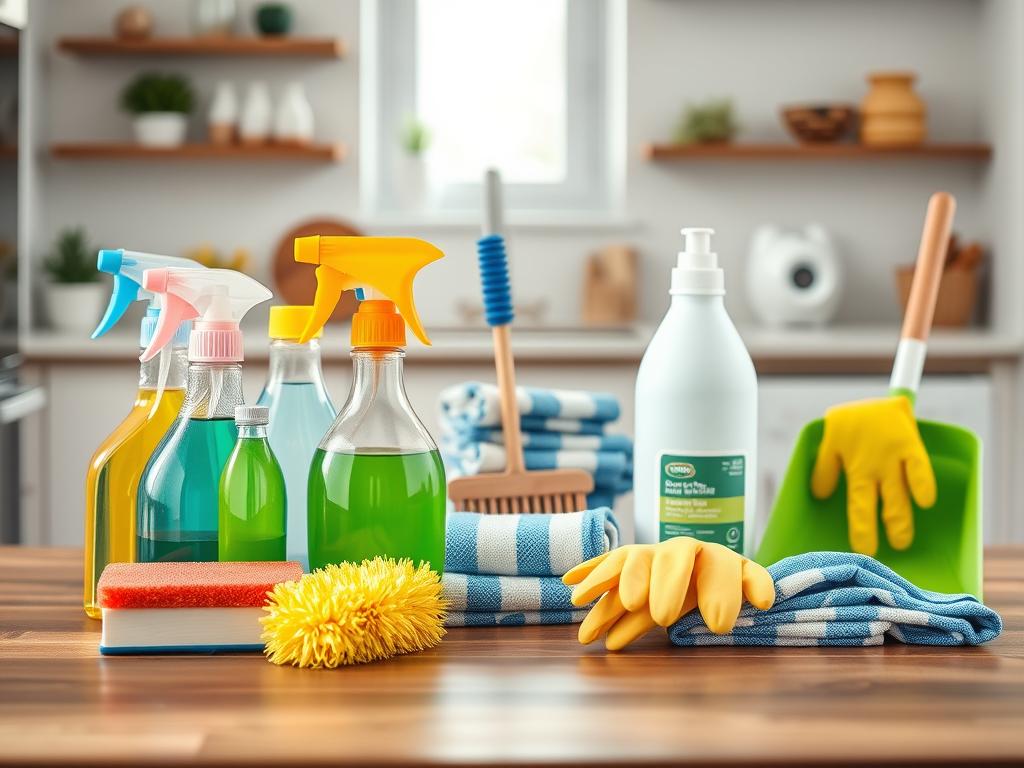
Start with a basic kit: an all-purpose cleaner like Method or Mrs. Meyers, microfiber cloths, and glass cleaner such as Windex or vinegar solution. Include disinfecting wipes from Clorox or Seventh Generation, a broom and dustpan, a reliable vacuum like Dyson or Shark, and a mop—Swiffer or steam mop. Don’t forget scrub brushes and rubber gloves.
Choose eco-friendly options when possible. Plant-based cleaners and reusable cloths cut waste and reduce chemical exposure. Store everything in a portable caddy and label spray bottles for safety and speed.
Organizers and Storage Solutions
For long-term order, invest in drawer organizers, clear plastic bins, stackable shelf organizers, shelf risers, shoe racks, entryway hooks, and decorative baskets. Brands like IKEA, The Container Store, and Amazon Basics offer many styles and price points.
Measure shelves and closet spaces before buying organizers to ensure proper fit. Use a label maker like Brother P-touch or printable labels for consistent identification. Start with a few multipurpose items and expand as needs grow.
Balancing cleaning supplies with smart organizers creates a system that supports regular upkeep. Simple tools turn a weekly reset into a helpful habit instead of a chore.
Incorporating Family in the Reset Routine
The family reset routine works best when everyone knows their role and feels a part of it. Short, focused sessions make it easy for everyone to join in. Adults should model habits and keep goals realistic to maintain momentum.
Assigning Age-Appropriate Tasks
Toddlers can do simple chores like putting toys in a bin or wiping low surfaces with a soft cloth. They can also help sort laundry by color. These tasks build early responsibility and pride.
School-age children can make beds, put away toys, empty small trash bins, set the table, and sort recyclables. A clear checklist helps them stay on track.
Teenagers can handle laundry from start to finish, tidy their rooms, organize study areas, and help with basic kitchen prep. Trust and rotation keep tasks fair.
Adults do complex tasks, supervise, and rotate responsibilities for weekly areas. Apps like Todoist or ChoreMonster make assigning tasks interactive and easy to track.
Building a Team Mindset
Break the reset into short, timed sprints, like a 15-minute family reset. This keeps chores manageable and lowers resistance.
Encourage positive reinforcement and rewards like a family movie night or dinner choice. Praise helps keep engagement longer than punishment.
Hold a weekly check-in to review what worked, rotate roles, and celebrate progress. This strengthens shared ownership of home organization.
When adults join in regularly, children copy the behavior. Modeling effort and respect for shared spaces keeps the reset routine effective.
Adjusting the Routine Seasonally
A seasonal home reset keeps the weekly rhythm fresh and stops small tasks from turning into big projects.
Use targeted deep-cleaning and smart planning to make home upkeep easy throughout the year.
The spring cleaning checklist turns chores into a focused plan. Plan window washing, deep carpet care, and cleaning behind appliances.
Also include closet decluttering and HVAC filter service. Rent a carpet cleaner or hire a professional for stains or large areas.
Break big spring tasks into smaller weekly parts. Schedule hard jobs on weekends or spread them out over several weekends.
Use the weekly reset to rotate seasonal wardrobes. Move out-of-season clothes to labeled bins and declutter items you no longer wear.
Holiday preparations benefit from a pre-holiday reset. Declutter guest areas, clear surfaces for hosting, and deep-clean bathrooms and guest rooms.
Create easy-access storage for decorations. Keep a small welcome kit with toiletries and fresh linens to avoid last-minute stress.
After holidays, a quick post-holiday reset stops decorations from piling up. Pack ornaments and decor in labeled bins.
Store these bins so you can easily find them next year. Pick a weekend for this task to keep maintenance on track.
Use short checklists during the season to guide your tasks. A spring list might include windows, carpets, closets, appliances, and HVAC filters.
A holiday list can cover guest prep, surface clearing, and storage labeling.
Adopting a seasonal home reset fits deep cleaning into your weekly routine. Small, steady efforts cut overload and keep spaces ready for daily life and guests.
Common Challenges in Maintaining a Reset Routine
Keeping a weekly reset going is easier said than done. Many households face obstacles that stop their progress. Knowing these problems helps create real solutions for each home.
Procrastination often shows up first. People feel rushed, want things perfect, or don’t know what to do. This makes the task seem huge and hard to start.
Overcoming Procrastination
Break big tasks into small parts that take 5–15 minutes. Use a timer for short bursts to keep focus and energy. Put resets on the calendar with reminders to make them set appointments.
Start with an easy, visible spot to win quickly. Use cues like trash day alerts and a donation box to cut down decisions. These habits lower resistance and help keep progress steady.
Staying Motivated
Track progress with before-and-after photos and a simple checklist. Seeing change builds the habit and boosts continued effort. Add resets to current routines, like after Friday grocery shopping.
Change rewards and mini-goals to keep the routine interesting. Small treats or family privileges linked to sticking with it help a lot. Support from a partner or group can help when energy drops.
| Challenge | Cause | Practical Fix |
|---|---|---|
| Procrastination | Lack of time, perfectionism, overwhelmed | 15-minute sprints, calendar reminders, start with visible area |
| Low Motivation | No visible progress, routine feels boring | Before-and-after photos, checklist, rotate rewards |
| Decision Fatigue | Too many small choices during reset | Prepare a grab-and-go donation box, set standard rules for items |
| Inconsistent Scheduling | Resets clash with other commitments | Fix a weekly slot, habit-stack with chores or errands |
| Lack of Support | Household members not engaged | Assign age-appropriate tasks, use external accountability groups |
Tracking Your Progress
Keeping tabs on weekly efforts turns chores into measurable steps. A short log helps a household see what works. It also shows where time is lost and which areas need extra attention.
Journaling Your Weekly Resets
Each reset should start with a brief note about tasks completed, time spent, and any items donated or discarded. A paper planner or an app like Google Sheets or Notion fits most routines.
The Passion Planner suits people who prefer a printed system.
Regular journaling reveals patterns. It shows which rooms need more attention and which tactics save time.
When entries are compared over weeks, progress becomes clear and motivating.
Setting Goals for Improvement
Goals should be specific and measurable. Examples include reducing entryway clutter by 50% in two months or cutting reset time from 90 to 45 minutes within three months.
These targets guide daily choices.
Monthly themes help focus effort. One month can center on paper management, next on kitchen drawers, and the following on closets.
A monthly or quarterly review helps refine the plan and keep momentum.
| Metric | How to Track | Example Goal |
|---|---|---|
| Time Spent | Record minutes per reset in Google Sheets or Notion | Reduce weekly reset from 90 to 45 minutes in 3 months |
| Donation Bags | Count bags and note contents in a planner | Donate 8 bags in 2 months |
| Misplaced Items | Log frequency of lost items per week | Cut misplacement incidents by 75% in 3 months |
| Room Focus | Use journal tags for rooms needing work | Bring kitchen drawer clutter to 20% of baseline in 6 weeks |
Tips for a Stress-Free Home Reset
A thoughtful reset can turn chores into a calming part of the week. Small rituals and smart pacing help reduce tension.
Set realistic goals to move through tasks with focus. The aim is a stress-free reset that supports lasting organization.
Mindfulness Techniques
Start with 30 seconds of deep breathing to center attention before any task. This brief practice reduces rush and creates calm.
Encourage single-tasking by focusing on one area at a time. For example, folding laundry with full attention helps reduce multitasking urges.
Use gratitude to notice functioning items, like a working dishwasher or tidy shelf. This eases pressure and supports steady progress.
Listening to Music or Podcasts
Match audio to the task. Upbeat playlists on Spotify lift energy for fast chores. Slower tasks work well with meditations or light podcasts.
Music makes repetitive work feel shorter and more enjoyable. Podcasts turn reset time into learning moments that boost motivation.
Keep volume low enough to hear timers, doorbells, and children. Safety and awareness are important during any reset.
Other tips include setting realistic expectations, using ergonomic tools to limit strain, and accepting imperfect progress. These habits support a calm, lasting routine and a more organized home.
Conclusion: The Lasting Impact of a Weekly Home Reset
A weekly home reset creates small, steady changes that add up over time. Families notice sustained organized living and less time wasted on deep cleaning.
The home stays ready for guests or events. These benefits also include lower stress and clearer focus. This helps boost everyday productivity.
There are practical financial and maintenance gains too. Well-maintained appliances and furniture last longer, reducing replacement costs.
Better inventory and food management cut waste and save money. This shows the lasting impact a weekly home reset has on budgets.
Psychologically, simple routines build strong, resilient habits. Consistent resets help people feel more in control of their space and choices.
This supports simplified, calm living. To start, pick a day, make a checklist, and gather basic cleaning supplies.
Set a 15–30 minute timer for the first reset. Give each family member one easy task to encourage starting the routine.
Consistency matters more than perfection. Small weekly actions build a reliable system over time.
Begin with one focused reset this week and write about it in a short journal. This small step can start lasting organized living and all its benefits.