

Nearly 70% of U.S. homeowners say their closets feel cluttered most of the time. This shows how much wasted space and stress come from poor storage.
This guide explains how to choose the best hangers and closet tools. These help free up space, protect clothes, and speed up daily dressing.
It focuses on practical steps for renters and homeowners to create lasting wardrobe organization without guesswork.
Readers will learn to increase closet space and improve item visibility and access. They will also set up a repeatable system for upkeep.
The guide solves common problems like overcrowded closets, mismatched hangers, hard-to-reach items, and seasonal overflow.
Later sections highlight reliable brands and retailers. The Container Store, IKEA, Amazon, Rubbermaid, Simple Houseware, and Honey-Can-Do offer ready-made organizers and storage solutions.
It also covers DIY options and compares budget-friendly picks with premium solutions.
The primary focus is on closet organization tools. It also explains related topics like closet organizers, wardrobe organization, and storage solutions.
Terms are clarified so readers know when to choose hangers, shelving, bins, rods, lighting, or accessories to fix their problems.
Understanding Closet Organization Tools
The right mix of closet organization tools turns clutter into an easy, usable system. Designers and retailers like The Container Store and Good Housekeeping recommend combining hardware, soft goods, and accessories to fit daily routines and seasonal needs.
This short guide defines common items, explains why they matter, and offers clear criteria for selecting solutions that fit a home.
Closet organizers range from simple hooks to full modular systems. Common closet tools include hangers, shelf dividers, storage bins, drawer organizers, rods, lighting, hooks, pegboards, shoe racks, vacuum bags, and space-saving hangers.
Each item helps create order and protects garments.
The benefits of using organization tools show up quickly. Getting dressed gets faster when items are easy to find. Proper hangers and drawer organizers reduce garment damage and wrinkles.
Using vertical space better increases storage. People feel less stressed and find seasonal rotation smoother with a reliable closet system.
Benefits of Using Organization Tools
Organizing pros stress practical gains over looks. A coordinated set of closet accessories saves time and keeps clothes in better shape.
The Container Store highlights less fabric wear when items hang correctly. Good Housekeeping suggests clear labeling and small bins to keep accessories visible and easy to reach.
A full closet system supports seasonal swaps. Vacuum bags free space for off-season coats. Space-saving hangers with adjustable shelves create room for more items.
Drawer organizers help find socks and undergarments easily without mess.
Types of Closet Organization Tools
Tools fall into five helpful categories. Hardware includes rods and adjustable shelving. Soft goods mean wood, plastic, or specialty hangers, plus padded ones.
Containment covers storage bins, vacuum bags, and boxes. Accessories include belt and tie racks, hooks, and pegboards. Systems are modular setups like those from IKEA or California Closets, bringing pieces into a unified plan.
Combining these items increases their impact. For example, space-saving hangers increase hanging capacity. Adjustable shelving uses freed vertical space for bins.
Drawer organizers keep small items tidy, and labeled storage bins make everything easy to see and reach.
| Category | Common Items | Primary Benefit |
|---|---|---|
| Hardware | Rods, adjustable shelving, closet system components | Creates structure and supports heavy storage |
| Soft goods | Hangers, specialty hangers, padded hangers | Protects garments and maximizes hanging density |
| Containment | Bins, vacuum bags, storage boxes | Keeps items grouped and seasonally rotated |
| Accessories | Belt/tie racks, hooks, pegboards, shoe racks | Makes small items accessible and visible |
| Systems | Modular systems from IKEA, California Closets | Delivers cohesive design and long-term flexibility |
Choosing the right tools starts with clear criteria. Consider space, budget, garment types, durability, style, and ease of installation.
Small closets benefit from vertical solutions and space-saving hangers. Larger closets suit built-in organizers or full modular systems for a custom look.
When tools fit these needs, they work well together. Good closet accessories help daily routines and protect belongings.
The result is a functional, tidy closet that adapts through seasons and life changes.
Types of Hangers for Optimal Closet Space
Choice of hanger changes your closet’s capacity and keeps your clothes’ shape. Right hangers prevent creasing and help closet organizers work better. Mixing hanger styles can balance how your closet looks and works.
Wooden hangers are strong and last long. They support suits, coats, and heavy jackets well. Some, like cedar types, keep moths away and smell nice.
Wooden hangers look neat and formal. However, they are bulky and cost more per hanger. This means you fit fewer clothes on a rod.
Plastic hangers are cheap and versatile. Brands like Amazon Basics and Rubbermaid offer many colors and shapes. They work well for everyday shirts and kids’ clothes.
Thin plastic can bend or break easily. For heavier clothes, choose stronger plastic hangers for longer use.
Velvet hangers save space and protect delicate fabrics. Slim velvet hangers, such as from Zober and Amazon Basics, can fit 25–40% more clothes than wooden ones.
The soft velvet stops clothes from slipping. But these hangers can hold moisture if wet and wear out over time. It’s good to swap them out when needed.
Specialty hangers add more storage options. Padded hangers suit lingerie and delicate sweaters. Cascading and multi-tier hangers save space for matching outfits. Clip and trouser-bar hangers keep skirts and pants neat.
Experts suggest mixing hanger types: velvet for tops and dresses, wooden for suits and coats, and plastic for casual or kids’ clothes. This combo balances cost, care, and space use. It also helps keep your closet organized and functional.
| Hanger Type | Best Use | Pros | Cons |
|---|---|---|---|
| Wooden | Suits, coats, heavy jackets | Durable; supports shape; aesthetic; cedar repels moths | Bulky; higher cost; fewer items per rod |
| Plastic | Everyday shirts, kids’ clothing | Inexpensive; lightweight; many styles and colors | Thin varieties can warp; limited support for heavy garments |
| Velvet | Delicates, dresses, blouses | Slim profile saves space; non-slip surface; looks uniform | Coating can wear; may trap moisture if wet |
| Padded / Specialty | Lingerie, scarves, multi-garment setups | Protects delicate fabrics; specialty functions like cascading | Tend to be bulkier or pricier; limited general use |
Essential Closet Organization Tools
A well-stocked closet uses smart items to transform messy shelves into tidy, usable space. This catalog shares picks that form the backbone of effective closet storage solutions. These tools help make daily routines smoother.
Shelf Dividers: Maximizing Vertical Space
Shelf dividers stop piles from toppling and create neat compartments for sweaters, linens, or towels. IKEA offers adjustable steel dividers that clamp to standard shelves. The Container Store sells fixed and screw-in models for deeper shelves and heavy stacks.
Measure shelf depth before buying dividers. For shallow shelves, choose clamp-style dividers. For load-bearing shelves, select screw-in or bolted dividers for extra stability.
Storage Bins: Keeping Small Items Contained
Storage bins come in clear plastic, woven fabric, lidded cardboard, and stackable modular containers from brands like Sterilite and IRIS USA. Clear bins allow easy visibility. Fabric bins hide clutter and look tidy on open shelves.
Use bins for scarves, belts, hats, seasonal items, and loose accessories. Add labels with a label maker or chalk labels to find items quickly. Stackable bins save floor space and keep contents accessible.
Space-Saving Hangers: A Game Changer
Space-saving hangers increase hanging capacity and improve closet appearance. Slimline velvet hangers reduce bulk. Tiered cascade hangers hold many garments vertically. Multi-hook or rotating hangers group outfits or sets.
Good hangers can increase hanging space by a large percentage, depending on clutter. Brands like AmazonBasics and Honey-Can-Do offer affordable sets. Mid-range metal slimline hangers cost more but last longer.
Best practices connect these tools. Group like items and keep daily wear at eye level. Store seasonal gear higher or lower and use uniform hangers for a neat look. Regularly check shelves and storage bins to keep the system efficient.
The Role of Hooks and Pegboards
The right hooks and pegboards unlock vertical storage. They turn blank walls into useful parts of a closet system. These tools help stash often-used items and keep surfaces clutter-free.
Wall hooks come in many styles to suit different needs. Suction hooks work well on smooth surfaces for lightweight items. Adhesive hooks, such as 3M Command strips, hold hats or scarves within weight limits.
Screw-in hooks bear heavier loads for robes and bags. Over-the-door hooks work well for renters who want extra hanging spots without drilling.
Place hooks at varying heights to serve kids, adults, and quick-grab items. Use a small cluster near the closet entrance for daily essentials. Avoid overloading adhesive hooks; reserve them for items under their rated weight.
Mixing screw-in and adhesive hooks creates a flexible, layered approach.
Pegboards offer modular storage that adapts as needs change. Metal systems like Wall Control provide strong support for tools and bins. IKEA Skadis offers a lighter, stylish option with many accessories.
Pegboard setups accept shelves, hooks, and small baskets. These help organize jewelry, belts, and small closet accessories.
Mount pegboards to studs when storing heavier items to protect walls and ensure stability. Group pegboard accessories into zones for belts, necklaces, and daily carry items.
Painting a wooden pegboard lets it match the room’s décor. This keeps the closet system cohesive.
Combining pegboard on an inside door with side-wall hooks maximizes usable area. This pairing turns narrow gaps into functional racks. It creates a clear home for each accessory.
These closet space savers work well together. They support a smarter, more organized closet.
Drawer Organizers for Closet Units
Drawers finish a closet system by holding items hangers and shelves cannot. They fit well for socks, jewelry, and folded garments.
Adding the right inserts turns a messy drawer into a tidy, fast-access space. This supports daily routines and seasonal swaps.
Good drawer organization cuts clutter and protects delicate pieces. It makes items easy to see and prevents different categories from mixing.
Choosing compatible closet organizers and storage bins speeds morning routines. It also helps keep accessories in place.
Benefits of Drawer Dividers
Dividers separate socks, underwear, and scarves to avoid digging through piles. They protect jewelry and fragile items with cushioned compartments.
Dividers save time by showing where each category belongs. Non-slip liners keep organizers steady during use.
Types of Drawer Organizers to Consider
Adjustable wood or bamboo dividers fit custom drawer widths. They also offer a warm, natural look.
Plastic modular trays, such as those by madesmart, provide configurable compartments for varied items.
Felt or fabric organizers suit lingerie and stretch to fit odd spaces. Jewelry inserts have cushioned slots to keep rings and necklaces safe.
Tie and belt trays keep narrow items rolled and ready. Pull-out mesh drawers add breathability for linens and sweaters.
Measure interior dimensions before buying organizers. Choose shallow trays for socks and underwear; pick deeper bins for bulky sweaters.
Label drawer fronts and rotate seasonal contents between drawers and storage bins. This keeps the system fresh and organized.
| Organizer Type | Best Use | Material | Key Benefit |
|---|---|---|---|
| Adjustable Wood/Bamboo Dividers | Folded garments, accessories | Bamboo or hardwood | Custom fit and natural look |
| Plastic Modular Trays | Socks, small accessories | Durable plastic | Configurable compartments |
| Felt/Fabric Organizers | Lingerie, delicate items | Felt or woven fabric | Soft protection, lightweight |
| Jewelry Inserts | Rings, watches, necklaces | Padded foam with fabric cover | Cushioned slots prevent tangles |
| Pull-Out Mesh Drawers | Breathable storage for knits | Metal frame with mesh | Ventilation reduces mustiness |
| Storage Bins for Closet (Small) | Seasonal accessories, extras | Fabric or plastic | Easy to move and label |
Closet Rods and Adjustable Shelving
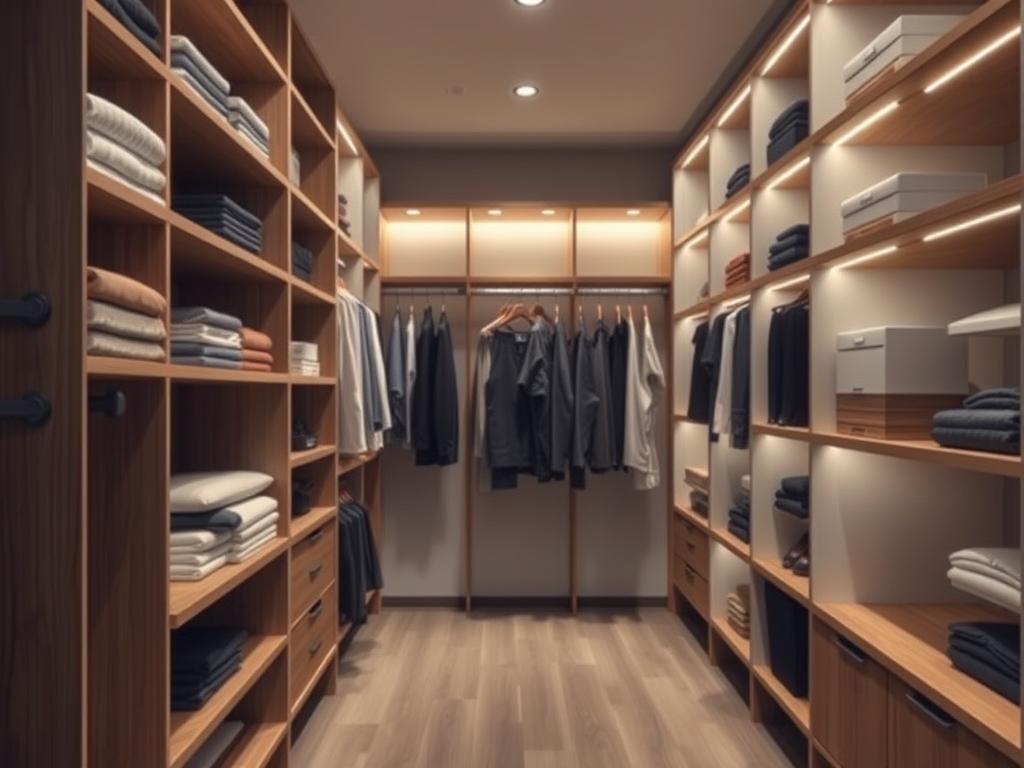
Rods and shelving form the backbone of any closet system. They define usable space and set the layout. This determines how well hanging garments and folded items coexist.
A smart arrangement makes daily dressing easier. It also turns small closets into efficient storage solutions.
Importance of Adjustable Rods
Adjustable rods help a closet change as a wardrobe does. They allow double-hang setups for shirts and pants or a single high rod for long coats. Telescoping rods like AmazonBasics are quick, budget-friendly options.
Professional systems from California Closets or Elfa by The Container Store offer customizable heights and strong support. These provide long-term flexibility.
When rods move easily, the closet supports seasonal shifts and new purchases. Heavier garments stay secure, and lighter items hang without sagging. This reduces the need for bulky dressers and improves access to everyday clothes.
Options for Shelving Solutions
Shelving choices include fixed wood shelves, wire shelving, track-and-bracket systems, floating shelves, and modular cube systems. Wire shelving is lightweight and allows airflow around linens. Solid shelves offer a smooth surface for folded shirts and bins, favored by many organizers.
Track-and-bracket systems let you reconfigure shelves quickly. L-brackets and anchored tracks make adjustments easier than fixed studs. Modular cubes stack neatly and work well with baskets and shoe boxes.
Spacing shelves by item helps keep order. Use 12–14 inches for folded shirts and 15–18 inches for sweaters. Anchor shelves into studs when possible. If studs are far, heavy-duty wall anchors keep shelves level under load.
Combining rods and shelves in vertical zones maximizes capacity. One zone holds long coats on a high rod. Another uses double-hang rods for shirts and pants.
Shelves stacked beside or above rods keep folded items within reach. This creates a cohesive closet system that meets varied storage needs.
Seasonal Storage Solutions
Rotating seasonal clothing frees up closet space and keeps daily choices simple. Smart closet storage lets you swap bulky winter gear for spring pieces without clutter.
A few planning steps make seasonal storage efficient and prevent damage to clothes.
Vacuum Sealed Bags: Space-Saving Strategies
Vacuum sealed bags compress bulky items like comforters, winter coats, and sweaters to save space. Brands such as SpaceSaver and Ziploc offer reliable seals and durable materials for many uses.
Before sealing, wash and dry items completely to stop mildew from forming. Long-term compression can stress delicate fibers.
Avoid tight vacuuming for cashmere, silk blends, and embellished garments. Use breathable storage instead. Label each vacuum bag clearly with contents and season for quick access.
Under-Bed Storage: Utilizing Hidden Spaces
Under-bed storage uses wasted space with low-profile rolling bins, vacuum bags sized for under beds, and fabric zip boxes. Sterilite and Iris sell sturdy rolling containers that glide easily and last through frequent use.
Measure under-bed clearance before buying to make sure containers fit smoothly. Choose lighter materials for items you move often.
Store items you use less often in bins for the closet or attic. Clear shoe boxes and labeled containers help keep things visible and easy to find.
Rotate your wardrobe regularly, like in spring and fall. Use cedar chests or cedar-lined bags to deter moths and keep linens fresh.
When storing in attics or garages, pick spots with weather control. Elevate boxes to avoid moisture damage.
Closet Lighting Solutions
Good lighting changes a closet from a cramped cave into a neat, useful space. It helps you pick outfits faster and avoids accidental snags. Proper light also shows off how well your closet is organized.
Small lighting changes make it easier to find accessories. They also help fabrics last longer by reducing handling.
LED Strip Lights: Enhancing Visibility
LED strip lights come in plug-in and rechargeable types. Brands like LIFX and Philips Hue offer smart colors and scheduling for home setups. AmazonBasics strips give steady white light and suit basic tasks well.
These flexible adhesive strips stick under shelves, behind rods, or along cabinet edges. Warm tones create a cozy feel, while cool tones give crisp, true colors. Motion-activated strips turn on when the closet opens, saving energy and keeping your hands free.
Installers should clean surfaces before applying adhesive. Plan wire routes to hide cords and avoid stretched cables. Use low-heat LEDs and don’t plug many transformers into one circuit for safety and durability.
Battery-Powered Options: Easy Installations
Battery lights suit renters and small closets where power is hard to run. Stick-on puck lights, battery LED bars, and motion-sensor tap lights by Mr. Beams install quickly without tools. They work great in drawers, on ceilings, or under shelves.
Their drawbacks are brightness and maintenance. Replaceable batteries add ongoing cost. Rechargeable units reduce waste and save money over time. For regular use, pick models with good brightness and energy-saving motion sensors.
| Type | Typical Brands | Pros | Cons |
|---|---|---|---|
| Plug-in LED Strip Lights | LIFX, Philips Hue, AmazonBasics | High brightness, color options, smart control | Requires outlet; wiring visible if not planned |
| Rechargeable LED Strips | Generic rechargeable brands | No outlet needed, reusable, cleaner look | Needs regular charging; lower run time than plug-in |
| Battery Puck Lights | Mr. Beams, Energizer | Tool-free install, inexpensive, great for small spaces | Lower brightness; battery replacements add cost |
| Motion-Sensor Bars | Mr. Beams, Vont | Hands-free activation, energy-saving | Sensor range varies; may false-trigger in busy areas |
When picking lighting, balance brightness, installation effort, and maintenance. Using LED strips with battery-powered lights creates layered light for shelves, drawers, and hanging areas. Smart placement boosts the value of your closet tools and makes accessories easier to use.
Choosing the Right Accessories
The right accessories complete a closet system by taming small items that often create clutter. Thoughtful choices make every outfit easier to find. They also keep daily routines smooth.
This short guide highlights practical options and installation tips for busy households.
Belt and tie racks come in many forms to fit different layouts and budgets. Wall-mounted bars work well on shallow walls or the inside of closet doors. Pull-out racks from brands like Rev-A-Shelf and The Container Store save space and give quick access.
Cascade hangers with loops hold multiple ties or belts on one hanger. Revolving racks are useful in wider closets where rotation helps view a full selection.
When choosing mounting locations, inside-door placement frees floor space. Inside-closet-wall mounting gives a tidier, built-in look. Organize by color or frequency of use to speed selection.
These closet organization tools reduce tangles and make belts and ties last longer.
Shoe racks vary by footprint and function. Over-the-door shoe organizers provide pockets for casual shoes and slips. Stackable shelves and cubbies offer modular storage for sneakers, boots, and heels.
Adjustable shoe towers use vertical space in narrow closets. Under-shelf shoe hangers lift pairs off the floor. Clear shoe boxes protect shoes while keeping them visible.
Small spaces benefit from vertical shoe racks and over-the-door pockets to maximize area without sacrificing access. Choose breathable materials such as mesh or wood for long-term storage.
Preserve shoe shape with cedar shoe trees or gentle stuffing. These closet organization tools help maintain footwear and cut morning search time.
Other useful items include scarf organizers, jewelry trays, valet rods, and pull-out laundry hampers. Select accessories that integrate with existing systems for a cohesive look and easier installation.
Thoughtful use of closet accessories turns crowded closets into orderly, functional spaces.
DIY Closet Organization
Small changes make a big difference in DIY closet organization. Practical projects use common tools and low-cost materials. They add storage, light, and structure. The result saves money and fits individual needs.
Simple upgrades rely on basic tools and a few measurements. A telescoping rod and brackets create a double-hang system in minutes. Scrap plywood or acrylic cut into shelf dividers keeps stacks neat. Adhesive LED strips brighten dark corners without wiring.
People build shoe shelves from cinder blocks and planks. This makes an inexpensive, sturdy solution. Old tension rods hang shoes or display handbags. A small drill, level, and stud finder handle most installs. Wearing safety glasses and measuring twice before cutting help reduce mistakes.
Simple Projects for Budget-Friendly Solutions
Adding a second rod doubles hanging space. It is one of the clearest ways to save closet space. Shelf dividers separate folded items and stop piles from toppling. Lightweight LED strips improve visibility and make choosing items faster.
Another quick project is turning a ladder into a rack for scarves and belts. This requires minimal carpentry and creates a focal point. Cinder block shoe shelves cost under $30 and fit apartment budgets. DIY methods often cut costs by half or more versus prebuilt systems.
Upcycled Materials for Unique Organizers
Upcycled organizers add personality and support sustainability. Wooden crates become cube storage for sweaters and accessories. Picture frames fitted with chicken wire make elegant jewelry displays. These reduce waste and create unique storage.
Tension rods reused from closets display handbags or support shelves. Old ladders and repainted crates work well with paint from Home Depot or Lowe’s. Habitat for Humanity ReStore and local listings often supply reclaimed materials at low prices.
| Project | Materials | Tools Needed | Estimated Cost | Benefit |
|---|---|---|---|---|
| Double-hang rod | Telescoping rod, brackets | Drill, level, stud finder | $15–$40 | Increases hanging capacity |
| Shelf dividers | Scrap plywood or acrylic | Jigsaw, sandpaper, tape measure | $5–$25 | Keeps stacks organized |
| Cinder block shoe shelves | Cinder blocks, wooden planks | Saw, gloves, level | $20–$60 | Durable, low-cost shoe storage |
| Crate cube storage | Wooden crates, paint | Paintbrush, screws, drill | $10–$50 | Customizable, upcycled organizers |
| Picture frame jewelry board | Frame, chicken wire, hooks | Pliers, staple gun | $8–$30 | Stylish, visible accessory storage |
Maintaining an Organized Closet
Keeping a closet tidy takes small, regular actions. Establish simple routines to prevent clutter from piling up. Use easy-to-reach tools for quick daily choices.
Routine Checks: Keeping It Tidy
Do a 5–10 minute tidy each week. Straighten hangers and return shoes to racks. Place stray items in labeled bins.
Once a month, do a short audit. Rehang misplaced items and check for stains or rips. Re-label containers when needed.
Seasonal reviews work best for rotating coats and swimwear. Inspect damaged garments. Donate items not worn in 12 months.
- Inspect for damaged garments.
- Donate items not worn in 12 months.
- Re-label fabric bins and clear containers.
Tips for Long-Term Organization Success
Use the one-in-one-out rule to avoid excess. Keep most-used pieces at eye level. Uniform hangers create instant visual order.
Group items by category or color for speed. Choose washable fabric bins and wipeable shelves. This saves time during upkeep.
Schedule an annual overhaul. Dust and vacuum shelves. Launder or dry-clean seasonal items before storing. Reassess storage needs after reviewing.
Consider adding bins, adjusting rod heights, or improving lighting. Track purchases and repairs to avoid duplicates. Use photos to plan changes.
Where to Buy Closet Organization Tools
Finding the right closet organizers means choosing the best place to shop for your project. Shoppers should consider convenience, selection, and return policies before they buy. Measuring the space and checking weight ratings helps avoid costly mistakes.
Online Retailers: Convenience and Variety
Online retailers like Amazon, The Container Store, Wayfair, Overstock, and IKEA offer many options. They provide customer reviews, good prices, and fast shipping. This makes it easy to compare shelf dividers, hangers, and modular units.
The downside is not being able to touch materials in person. Also, returns can be tricky if an item doesn’t fit or is damaged.
Local Stores: Immediate Accessibility
Local stores like Home Depot, Lowe’s, Target, and Walmart let shoppers see hardware, bins, and hangers before buying. Specialty firms such as California Closets or local carpenters offer custom installations and measuring services. Benefits include same-day pickup, hands-on inspection, and in-store advice.
Custom work may cost more than off-the-shelf solutions. Thrift stores and Habitat for Humanity ReStore are great for budget finds and vintage pieces. Specialty boutiques sell designer hangers and luxury accessories.
Always compare warranties and read reviews on durability. Look for bundle deals as well. Match where you buy closet tools to your space, budget, and lifestyle for lasting results.