

Households in the United States throw away nearly 30% of their food each year. Much of that loss comes from pantry items that go stale or are forgotten.
Pantry storage containers are reusable vessels. They are made from plastic, glass, metal, or silicone. These containers store dry goods, snacks, baking ingredients, and leftovers.
The goal of these containers is to extend the shelf life of food. They also simplify daily meal preparation. This makes cooking easier and more efficient.
This short guide explains how to pick the best food storage solutions. It also covers clear food containers for kitchen organization. Readers will learn how airtight, moisture-resistant containers reduce waste.
These containers improve visibility and make ingredients easy to access. The article explains why to choose pantry storage containers. It also details common materials and container types.
Key features like airtight seals and stackability are covered. Top brands such as OXO Good Grips, Rubbermaid, Glasslock, and Snapware are reviewed. The guide offers sizing advice, cleaning tips, and budget options.
It also shows where to buy these containers. Throughout, the guide uses practical examples and clear steps. U.S. readers can create storage systems that save time and cut grocery waste.
With the right pantry storage containers and food storage solutions, kitchen organization becomes simple and sustainable.
Why Choose Pantry Storage Containers?
An orderly pantry saves time and reduces waste. Thoughtful pantry organization helps families plan meals faster. It also avoids duplicate purchases and spots expired items before they spoil.
Consumer Reports and USDA studies show the average U.S. household throws away hundreds of dollars’ worth of food yearly. Simple storage solutions can cut that loss by keeping staples fresh and visible.
Grouping flours, sugars, and grains and using first-in, first-out rotation keeps ingredients fresh. This helps keep the kitchen organized and reduces tossing stale items. Clear containers make it easier to check quantities quickly.
By seeing amounts at a glance, you can trim shopping lists to buy only what is needed.
Benefits of using storage containers
Airtight seals extend shelf life by keeping moisture and oxygen out. Food-safe materials such as glass and BPA-free plastics lower the risk of chemical transfer. This is important for people with allergies or special diets. Proper storage containers also block pests and rodents better than original packaging.
Stackable, uniform containers use vertical space well and create a cleaner look. They make inventory management easier because measurements and labels stay consistent. These features combine into practical storage solutions that speed up meal prep and improve grocery lists.
For people on gluten-free or nut-free plans, separate containers reduce cross-contact and add safety. The right containers form the backbone of pantry organization. They deliver long-term savings, better hygiene, and a calmer kitchen environment.
Types of Pantry Storage Containers
Choosing the right container type helps match function to food. Each material brings strengths like visibility, durability, and space savings.
They also offer protection against light and moisture, which keeps pantry items fresh and safe to use.
Plastic Containers
Plastic options commonly use BPA-free polypropylene or Tritan. These clear food containers are lightweight, shatter-resistant, and affordable.
Many come as airtight storage containers and stackable storage bins for efficient shelf use. Some models are microwave- and dishwasher-safe for convenience.
Drawbacks include odor and stain retention, limited heat resistance, and environmental concerns. High-grade plastics with clear labels tend to perform best.
Glass Containers
Glass is non-reactive and resists stains and odors. It works well for long-term storage of flours, sugars, and leftovers.
Glass containers provide clear visibility, making pantry organization simple. Many tempered glass options are oven-safe and durable for daily use.
Glass is heavier and can break. It gives a premium look but requires careful handling and strong shelving.
Metal Containers
Stainless steel and tin containers are very durable and protect contents from light. They suit coffee, tea, and baking supplies that degrade with light exposure.
Metal pantry storage containers last long and block moisture well. The main downside is they are not see-through, reducing quick visual checks.
Metal items are not microwave-safe. Use these where light and airtight protection matter more than instant visibility.
Silicone Containers
Silicone storage items are flexible and often collapsible, saving space when empty. They resist heat and many are dishwasher-safe.
Silicone suits snacks and produce. It pairs well with rigid clear food containers or stackable bins to keep a pantry neat.
Limits include less support for stacking and potential oil or odor retention. Combining silicone with stable containers balances convenience with order.
Features to Look For in Pantry Storage Containers
Choosing the right pantry storage containers means matching features to food needs and shelf space. A few key traits make containers practical, durable, and simple to use.
The following points help shoppers compare options and pick the best fit for their kitchen.
Airtight Seals
An airtight seal depends on quality gaskets, often silicone, and secure locking latches that compress the lid against the rim.
Look for click locks or vacuum lids as simple signs the container seals properly. These keep out moisture, pests, and stale air, preserving texture and flavor.
Staple foods needing airtight storage include flour, sugar, dried pasta, and cereals.
For liquids and sauces, choose designs labeled leak-proof to prevent spills in the pantry or fridge.
Stackability
Stackable storage bins save space when they have uniform shapes and recessed lids that fit the base of the next container.
Rectangular or square profiles cover shelf space better than round jars. Measure shelf height before buying to avoid wasting vertical space.
For deep shelves, pick taller containers; for shallow shelves, use shorter units that nest safely when stacked.
Visibility
Clear food containers make it easy to see contents and track quantities fast. Features include measurement markings, window panels, and clear lids.
Light-sensitive items like coffee and some teas do better in opaque or metal canisters. Using clear storage for staples with dark containers for sensitive goods balances visibility with protection.
Other Practical Features
- Measurement markings help with portion control and recipe prep.
- Wide mouths allow easy scooping and faster filling.
- Removable lids speed up cleaning and drying.
- Label compatibility helps organize with tags or chalk labels.
Buyers should prioritize features based on the foods they store. For grain-heavy pantries, airtight and stackable containers are key.
For visual inventory, clear containers work best. Smart choices extend shelf life, reduce waste, and make pantry organization easier.
Top Brands for Pantry Storage Containers
Choosing the right products starts with trusted brands. These brands balance durability, clarity, and airtight performance well.
Four makers stand out for quality, sizes, and user-friendly designs. Below are notes on each brand’s strengths and pantry fit.
OXO Good Grips makes POP (Press Open Pop) containers with strong gasket seals. These clear plastics come in many sizes, from flour canisters to tall cereal containers.
Users praise OXO Good Grips for stackability and a design that makes scooping and pouring easy.
Rubbermaid offers lines like Brilliance and Pantry Mate. Brilliance features clear containers with stain- and odor-resistant plastics.
Pantry Mate uses modular shapes to maximize shelf space. Both lines keep staples visible and organized.
Glasslock uses tempered glass that moves well from pantry to fridge or oven. Its locking lids form airtight seals.
The non-porous glass resists stains and odors over time. Glasslock works well for those who prefer glass for storage and reheating.
Snapware has plastic and glass options with locking lids to resist leaks and stack well.
It is a good choice for budget shoppers who want dependable seals and various sizes for pantry use.
When comparing, consider budget, material, and intended use. Choose OXO Good Grips for easy plastic canisters and versatility.
Pick Rubbermaid for stain resistance and modular systems to tidy shelves. Opt for Glasslock if durability and oven-safe features matter.
Select Snapware for affordable, leak-proof containers that stack easily and suit mixed pantry needs.
| Brand | Material | Key Strengths | Best For | Warranty / Support |
|---|---|---|---|---|
| OXO Good Grips | Clear plastic | Airtight POP lids, gasket system, stackable | Dry staples, cereals, easy access canisters | Reliable customer service, standard warranty |
| Rubbermaid | Clear plastic (stain-resistant) | Brilliance clarity, Pantry Mate modular sizing | Maximizing shelf space, stain-prone foods | Strong support, often extended warranties |
| Glasslock | Tempered glass with locking lids | Non-porous glass, oven/fridge-safe, airtight | Long-term storage, leftovers, reheating | Good warranty on glass products, responsive support |
| Snapware | Plastic and glass options | Affordable, leak-resistant locks, variety of sizes | Budget-friendly pantries, mixed-use storage | Decent customer service, value-focused policies |
How to Organize Your Pantry with Containers
A tidy pantry makes meal prep faster and reduces food waste. Follow these steps to set up pantry containers for an efficient layout. This method supports good kitchen organization and ease of use.
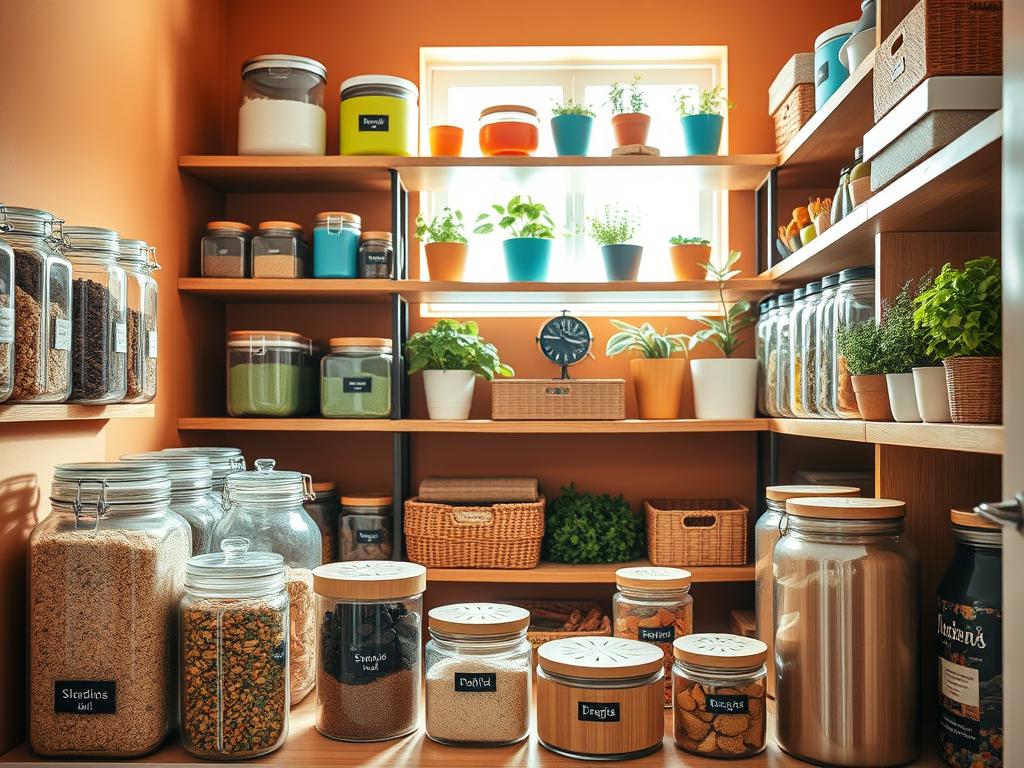
Categorizing Food Items
Group items by type: baking, grains, snacks, breakfast, and baking ingredients. Place flours and sugars together as baking staples. Keep cereals and breakfast items on easy-access shelves near the countertop used in the mornings.
Sort by how often you use items. Store everyday goods at eye level and within arm’s reach. Put occasional or seasonal items on higher shelves or lower bins.
Arrange snacks where children can safely reach them.
Labeling Containers
Use washable tape with a fine-tip marker, printable Avery labels, or chalkboard stickers for clear labels. Labels should include the item name, date opened, and best-by or expiration date.
Add portion size if needed. Consistent labels help everyone follow FIFO rotation and keep shared spaces coordinated.
Color-code or add symbols for dietary needs like gluten-free or nut-free. This speeds up selection during busy meal prep and reduces mistakes.
Utilizing Vertical Space
Measure shelf heights before buying containers to avoid wasted space. Use risers, shelf inserts, and door-mounted racks to add storage without clutter. Choose uniform container shapes for better stacking and stability.
Stack heavier items on the bottom and lighter ones above. Use stackable bins sized to fit shelves so they nest neatly. Leave a “working shelf” at counter height for ingredients used during cooking.
Place clear food containers at eye level for quick identification. Store less-used items on higher or lower shelves. These ideas, paired with smart storage choices, improve kitchen organization and daily routines.
Best Container Sizes for Different Foods
Choosing the right sizes for pantry storage containers makes daily kitchen tasks easier. Small jars keep spices fresh. Medium vessels hold staples like rice and oats.
Large bins tame family-size snacks and baking supplies. Picking modular, airtight storage containers helps maintain order and reduces waste.
Small Containers for Spices
For ground spices and dried herbs, 2–8 ounce jars work best. Compact square or round jars fit neatly on spice racks and drawer inserts.
Clear food containers with tight seals preserve aroma and let cooks see contents at a glance. Magnetic spice tins offer an alternate setup for limited shelf space.
Choose small containers that are easy to label and stack so pantry organization ideas stay practical.
Medium Containers for Grains
Use 1–4 liter (about quart to gallon) containers for rice, quinoa, oats, and flour. Wide-mouth designs simplify scooping and measuring.
Airtight storage containers with measurement markings support bulk purchases and help track quantities. Clear food containers make inventory checks fast.
Pick containers that nest when empty to save space and follow pantry organization ideas that promote efficiency.
Large Containers for Snacks
Choose 4–8 liter or larger bins for chips, pretzels, family-size cereal boxes, and baking mixes. Use 5-pound or 10-pound containers for bulk flour and sugar that accept scoops.
Rectangular, stackable bins maximize shelf space for big-volume items. For liquids and specialty items, select dedicated vessels like sealed containers for brown sugar to prevent hardening.
Use smaller, opaque containers for coffee to shield beans from light. Buying a set with mixed sizes provides flexibility for changing needs.
This strategy supports a coherent pantry organization plan.
Keeping Pantry Storage Containers Clean
Clean pantry storage containers help keep food fresh and safe. A simple routine stops odors, mold, and cross-contamination. These easy steps improve kitchen organization for all container types.
Recommended Cleaning Methods
Wash new containers before first use to remove factory residues. For daily cleaning, use warm, soapy water and a soft brush. This helps reach corners and tight spaces.
Many glass containers and some plastics are dishwasher-safe. Always check the manufacturer label for safe temperatures. Hand-wash lids with gaskets or silicone seals to protect their airtight fit.
To remove stains or smells, soak with baking soda or rinse with white vinegar. For heavy sanitizing, follow FDA advice when using diluted bleach and rinse well.
Tips for Maintaining Hygiene
Dry containers fully before refilling to stop mold and bacteria. Use first-in, first-out (FIFO) to rotate pantry items and avoid waste. Check shelves and containers often for pests and clean surfaces regularly.
Store allergen-free items in separate, labeled containers to prevent cross-contamination. Never put raw meats in pantry containers; keep them refrigerated or frozen. Replace cracked lids or worn gaskets to keep seals airtight and foods fresh.
| Cleaning Task | Recommended Method | Frequency |
|---|---|---|
| New container prep | Wash with warm, soapy water then dry | Before first use |
| Daily/after use | Hand-wash lids and soft-brush corners; dishwasher-safe items in top rack | After each use |
| Odors and stains | Baking soda soak or vinegar rinse; bleach dilution per FDA if needed | As required |
| Deep clean | Full wash, sanitize, inspect seals, replace damaged parts | Every 3–6 months |
| Plastic wear check | Inspect for scratches, clouding; retire if compromised | Every 6 months |
Budget-Friendly Pantry Storage Options
Smart pantry updates do not have to drain a budget. This section looks at wallet-friendly choices that keep kitchen organization practical and attractive.
It covers affordable brands, simple DIY fixes, and shopping tips that stretch every dollar.
Affordable Brands
IKEA offers the PRUTA and 365+ lines that blend low cost with useful shapes for pantry storage containers.
Shoppers can expect basic plastics, user-friendly lids, and stackable designs suited for dry goods.
Walmart’s Mainstays range supplies simple, inexpensive options for bulk staples.
Rubbermaid’s entry-level lines provide a step up in durability while staying budget conscious.
At lower price points, customers may find fewer size choices and simpler seals.
These trade-offs work well for everyday items like rice, pasta, and flour when paired with clear labeling.
DIY Storage Solutions
Repurposing is a top tactic for low-cost pantry organization products.
Clean mason jars store grains and beans airtight and look tidy on shelves.
Recycled glass jars hold spices and make contents visible to reduce waste.
Upcycled coffee cans and metal tins can house cereal or bulk mixes once lined for food safety.
Simple printable sticker paper creates homemade labels that match any system.
Buying bulk in original packaging and transferring only frequently used items into pantry storage containers saves time and money.
Mixing a few premium pieces for high-use items with budget pantry storage containers for low-use goods improves overall kitchen organization.
Thrift stores and garage sales often yield glass canisters at a fraction of retail prices.
- Buy starter sets during sales to lower cost-per-unit.
- Check cost-per-use: a pricier container can pay off over years of service.
- Combine plastic basics with a few glass jars for visibility and longevity.
Where to Buy Pantry Storage Containers
Finding the right pantry storage containers saves time and reduces food waste. You can shop online or visit local big-box stores. Specialty kitchen stores also offer expert guidance.
Online Retailers
Online retailers like Amazon, The Container Store, Wayfair, Walmart.com, and Bed Bath & Beyond offer many options. These sites let buyers read reviews, compare prices, and see product sizes. Check return policies and shipping times before ordering to avoid problems.
Local Stores
Big-box stores such as Target, Walmart, and Costco let you inspect materials and test lids in person. Warehouse clubs sell bulk sets, which lower the per-unit price for families. Visiting helps you check seal quality and container capacity.
Specialty Kitchen Stores
Stores like The Container Store, Williams Sonoma, and Sur La Table carry upscale brands for pantry organization. Staff provide hands-on demos and suggest products for your space. Independent boutiques may offer unique items not found elsewhere.
Buying tips
- Compare warranties and read reviews to confirm real-world performance.
- Match container sizes to shelves and canisters for a cohesive look.
- Check product dimensions and return policies when buying online.
Customer Reviews and Ratings
Many buyers rely on independent feedback when choosing pantry organization products. Verified comments and expert tests help shoppers separate true features from marketing claims. Real reports reveal durability, faults like leaking lids, and performance for specific foods.
Importance of Endorsements
Verified reviews on Amazon, Consumer Reports, Wirecutter, and The Spruce offer reliable social proof. These endorsements show if airtight containers truly seal and reveal issues short descriptions omit. Expert awards and votes give context when comparing brands like OXO Good Grips and Rubbermaid.
How Reviews Influence Choices
Readers should look for patterns across many reports. Repeated praise for stackability or complaints about brittle plastic matters more than one opinion. Photos and videos from customers show how clear containers look in real pantries.
Filter feedback for your needs. Search notes on storing flour, kid-proof lids, or bulk rice suitability. Pay attention to ratings, return policies, and common fixes others share. These signals help buyers pick products that fit their routines.
| Source | What to Check | Why It Matters |
|---|---|---|
| Amazon (verified purchases) | Recent photos, frequency of similar issues | Shows real use and product updates |
| Consumer Reports | Lab test results, durability ratings | Objective performance measures for airtight storage containers |
| Wirecutter | Side-by-side comparisons, best-use recommendations | Helps choose between similar clear food containers |
| The Spruce | Practical kitchen tests, styling and organization tips | Illustrates how pantry organization products fit real homes |
| User forums and Q&A | Troubleshooting, replacement part availability | Reveals customer service and long-term support |
Conclusion: Enhancing Your Kitchen with Pantry Storage Containers
An organized pantry changes how a household cooks and shops. Clear pantry storage containers with airtight seals reduce food waste and speed up meal prep.
These containers also give a clearer inventory at a glance. Practical organization ideas like grouping by category, labeling, and routine cleaning make daily routines smoother.
They also keep the kitchen neater.
When choosing food storage solutions, balance budget and durability. Invest in high-quality containers such as OXO Good Grips, Rubbermaid, Glasslock, or Snapware for everyday staples.
For less-used items, affordable or DIY options work well. Prioritize stackable, visible containers for most supplies.
Reserve opaque or metal containers for light-sensitive goods like coffee.
Next steps are simple: measure your pantry and list what needs storage. Pick a range of container sizes to start with one shelf.
This low-risk approach shows immediate benefits and helps refine your future purchases. Checking customer reviews will help you make smarter choices and build a lasting system.
Discover the best pantry storage containers to maximize kitchen space with stylish, functional solutions. With the right containers and easy systems, effective kitchen organization is achievable and lasting.