

Nearly 80% of Americans say clutter affects their stress levels. Yet, most spend less than 30 minutes a week tidying. This mismatch shows why a simple home organization system matters.
This guide introduces a practical and repeatable approach. It helps keep living spaces tidy with minimal effort. An easy-maintenance system cuts cleaning time, lowers stress, and frees up space.
The system works by combining habit-building with smart storage ideas. Professional organizers like The Spruce and Better Homes & Gardens stress consistent routines. Their advice supports the decluttering solutions here. These tips fit busy households, parents, renters, homeowners, and those hiring pros.
The roadmap starts by assessing your space. Next, it covers picking the right tools and setting up systems. It ends with maintenance, troubleshooting, and using digital support tools.
Key success measures include less clutter, saving time weekly, and easier access to items. The system also encourages sustainable and eco-friendly choices.
Later sections share tips on organizing closets, home offices, garages, and kitchens. These help ensure you get real, practical results at home.
Understanding Home Organization Systems
A home organization system is a practical plan that brings order to daily life. It groups spaces into zones and uses clear storage solutions. The system also applies simple labeling, sets routines, and defines rules for disposal and decluttering.
These parts help manage belongings and make chores like meal prep, work, and getting ready easier and smoother.
Experts like Marie Kondo promote tidying by category. The Container Store supports zone-based layouts. These ideas help stop items from becoming clutter again.
Definition and Importance of Organization
Organization means having more than neat shelves. It creates set places for items and routines for people. A good system lowers visual chaos and reduces daily decision fatigue.
This helps mental health and makes mornings and evenings less stressful. When routines are part of the system, chores take less time. Kitchens work better for cooking, and closets are easier to use.
Garages become better for projects, and home offices help focus. Simple rules for disposal and regular decluttering keep spaces working well over time.
Benefits of Implementing a System
Using a system saves time spent cleaning. It also cuts costs by preventing duplicate purchases through better inventory control. Households find that placing used items within reach improves ergonomics.
Homes with smart organization attract more buyers. This adds resale appeal and shows how a space fits daily life.
Professional organizers help when projects get too big or clutter lasts too long. The National Association of Productivity & Organizing Professionals offers directories and standards to find expert help.
| Area | Main Benefit | Common Solution |
|---|---|---|
| Closets | Faster dressing, less clutter | Zone shelving, labeled bins |
| Kitchen | Streamlined meal prep | Clear storage, drawer organizers |
| Garage | Better project flow | Wall racks, pegboards |
| Home Office | Improved focus and workflow | File systems, cable management |
| Whole Home | Long-term order and ease | Routines, decluttering solutions |
Assessing Your Space and Needs
A clear assessment sets a practical baseline. Start by taking photos of each room. List problem spots and time how long it takes to find common items.
This simple audit reveals patterns. It shows where decluttering solutions and space-saving ideas will have the most impact.
Evaluating Existing Clutter
Classify items into keep, donate, sell, recycle, and trash. Use clear criteria such as use frequency, condition, sentimental value, and duplicates.
Estimate volume as boxes or bags. Note how often storage overflows—daily, weekly, or rarely. These measures help prioritize storage ideas for action.
Donate usable goods to places like Goodwill, Salvation Army, and Habitat for Humanity ReStore. This clears space, helps the community, and eases decision fatigue.
Identifying Key Areas for Improvement
List high-traffic and pain-point zones like entryway, kitchen, main closet, home office, and garage. Focus on one area first to build momentum.
Choose a spot with high impact like the kitchen or main closet. This shows quick wins with space-saving solutions.
Consider household habits: number of residents, remote work, kids’ activities, and pet care. These routines guide which storage ideas fit daily life.
Use this checklist during the assessment:
- Photos of each area
- Inventory counts of key categories
- Notes on problems and bottlenecks
- Estimated clutter volume (boxes/bags)
- Goals per area (example: reduce kitchen countertop items by 50%)
| Assessment Step | What to Record | Why It Matters |
|---|---|---|
| Room Photos | Before images for every room and key zones | Provides a visual baseline to track progress |
| Time Tests | Minutes to find common items | Reveals daily friction points and storage needs |
| Volume Estimate | Number of boxes or bags of clutter | Helps plan donation, disposal, and shelving needs |
| Use Frequency | Daily, weekly, monthly, never | Guides which items stay and which can be removed |
| Priority Areas | High-traffic zones like kitchen, closet, entry | Targets quick wins and supports routines |
| Action Goals | Specific targets per area (e.g., reduce countertop items 50%) | Sets measurable outcomes for decluttering solutions and space-saving solutions |
Choosing the Right Organizational Tools
Selecting the proper tools turns a plan into a usable system. The right mix of shelves, containers, and specialty items supports daily routines and long-term upkeep.
This section outlines practical storage organization ideas, space-saving solutions, and eco-friendly choices. These pair well with professional organizer services.
Types of Storage Solutions
Open shelving offers quick access and visual inventory. It works well in kitchens, living rooms, and craft areas.
Enclosed cabinets hide clutter and protect items from dust. Clear bins keep contents visible and stack neatly.
Drawer organizers separate utensils, tools, and office supplies. Hanging storage and pegboards free floor space and suit garages or workshops.
Modular systems from IKEA or Elfa adapt as needs change.
Under-bed storage and vertical shelving expand capacity in small homes. Closet systems with adjustable rods and shelf dividers create flexible garment zones.
Each option has trade-offs in cost, appearance, and accessibility.
Best Practices for Selection
Choose durable materials that match the room. Use moisture-resistant units for bathrooms and garages. Scale storage to the item size.
Small items need divided bins. Bulky items require deep shelves.
Use clear or labeled containers so contents are obvious. Place high-use items at eye-level or below for easy reach.
Store heavy objects low for safety. Measure spaces carefully and try a cardboard mock-up before buying.
Favor modular and adjustable systems to avoid future replacements. Label makers from Brother or DYMO speed identification.
Stackable clear plastic bins save space while keeping things visible. Simple templates reduce costly mistakes.
Eco-Friendly Options
Select products made from recycled or sustainably sourced materials. Bamboo shelving or FSC-certified wood provides a renewable choice.
Reusable containers like Glasslock or Weck reduce single-use plastic waste.
Repurpose existing furniture or buy secondhand from Craigslist, Facebook Marketplace, or Habitat ReStore to lower environmental impact.
Look for brands that use recyclable packaging and long-lasting construction.
For tight budgets, dollar-store bins help with short-term sorting and gradual upgrades.
Invest over time in higher-quality systems for durability. Combining thrifted pieces with targeted purchases supports eco-friendly organization while keeping costs down.
| Tool | Best Use | Pros | Cons |
|---|---|---|---|
| Open Shelving | Display, frequent access | Affordable, visible items | Shows dust, less hidden storage |
| Enclosed Cabinets | Concealing clutter | Neat appearance, protected items | Higher cost, less immediate access |
| Clear Bins | Seasonal clothes, toys | Stackable, visible contents | Plastic use, may yellow over time |
| Modular Systems (IKEA, Elfa) | Whole-room solutions | Customizable, durable | Initial investment, installation needed |
| Pegboards & Hanging | Garages, craft rooms | Space-saving solutions, flexible | Visual clutter if unorganized |
| Under-bed Storage | Off-season items | Hidden, uses wasted space | Hard to access frequently |
| Reusable Glass Containers | Pantry, leftovers | Eco-friendly organization, durable | Heavier, breakable |
Working with professional organizer services can streamline choices and installation.
They bring tested storage organization ideas and recommend space-saving solutions suited to your lifestyle and budget.
A brief consultation often prevents costly misbuys and speeds system adoption.
Developing a Custom Organization Plan
A written plan turns good intentions into a practical home organization system. It maps each room and sets timelines. It also lists budgets and defines measurable goals to prevent overwhelm and scope creep.
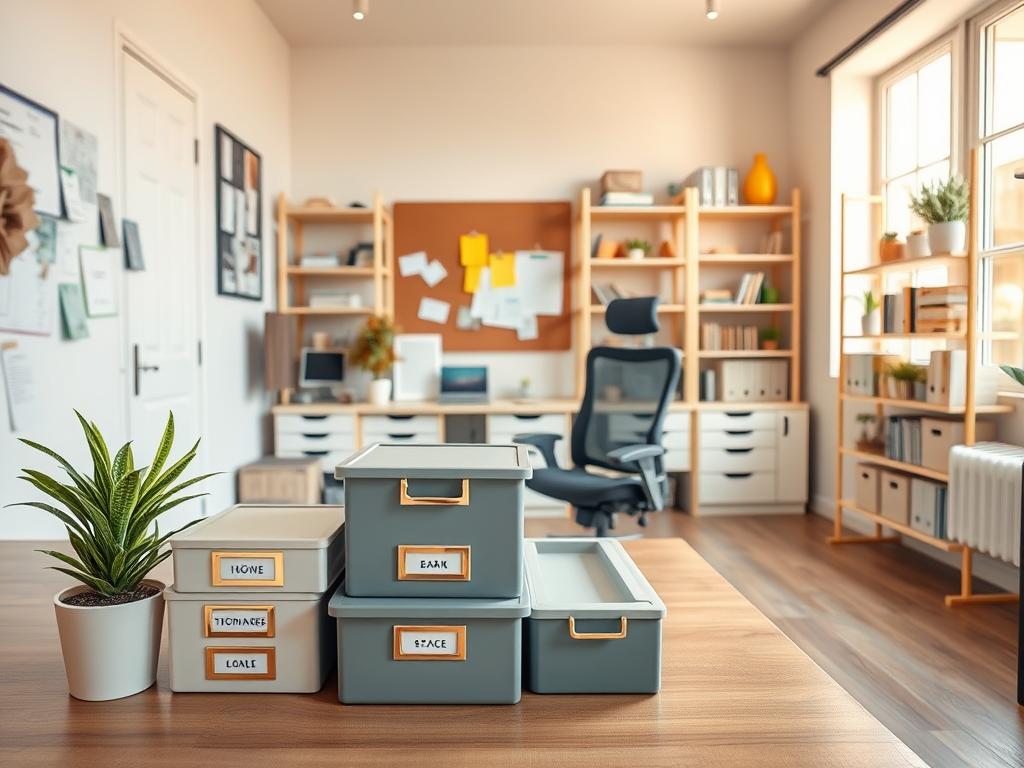
Setting realistic goals
Goals should follow SMART criteria: Specific, Measurable, Achievable, Relevant, and Time-bound. One example reads: “Reduce kitchen counter items to fewer than five in two weeks.” Another example says: “Create a weekly laundry drop zone by month-end.” These clear targets make progress visible and repeatable.
Prioritizing areas and tasks
Rank rooms by impact and ease. Start with high-impact, quick-win tasks that build momentum. Entryway shoe storage and a tidy kitchen utensil drawer offer fast returns.
Save major projects, like garage overhauls, for once routines are in place.
Time blocks and responsibilities
Allocate short daily windows of 15–30 minutes for maintenance. Reserve weekends for deeper decluttering solutions. Assign family roles so everyone knows tasks and timelines.
Budgeting and staged spending
Estimate costs for storage bins and donation drop-off fees. Consider potential professional organizer help. Start by buying essentials, such as clear bins or shelf dividers. Upgrade later as needs and budget allow.
Action checklist and timeline
- Complete assessment of each room
- Purge phase: donate, recycle, or discard items
- Purchase and install storage solutions
- Label zones and create daily routines
- Set reminders to review progress
A clear checklist helps track every step of the plan. Use digital tools to set deadlines and assign tasks. Monitor milestones tied to the overall home organization system.
Closet and targeted tips
Apply focused closet organization tips when a wardrobe is part of the plan. Sort by season and use slim hangers. Adopt labeled zones to reduce decision fatigue.
These small changes support broader decluttering solutions and keep spaces functional.
Implementing the Organization System
A clear, practical rollout turns a plan into lasting order. Start by preparing the space, gathering supplies, and setting a realistic schedule.
Small wins build momentum and make storage organization ideas feel doable for every room.
Step-by-Step Setup Process
Clear the work area by removing everything from the chosen zone. An empty space shows the true scope of work.
This also prevents repetitive handling of items.
Sort belongings into keep, donate, sell, recycle, and trash piles. Place non-keeps into labeled bags or boxes.
Move them out the same day to avoid reintroducing clutter.
Clean the emptied area thoroughly. Vacuum floors, wipe shelves, and inspect for damage before installing hardware.
Install permanent storage solutions first. Mount shelving, closet rods, pegboards, or wall systems carefully.
Temporary items should not block placement of these solutions.
Group similar items and place frequently used things in accessible containers.
This step works well in kitchens, garages, and desks where kitchen organization hacks or home office organization matter most.
Label every container and create a simple map or inventory for complex systems. A clear label speeds retrieval and keeps the system reliable.
Return items to the space in defined zones. Preserve walkways and reachability.
Keep heavy or hazardous items low and secure for safety.
Tips for Efficient Workflow
Work in focused blocks of 45 to 90 minutes with short breaks. Use a timer to keep pace and prevent burnout during large projects.
Enlist household members for sorting tasks. Assign clear, short jobs such as bagging donations or testing small appliances to speed the process.
Keep donation boxes in visible places until they leave the home. Visibility helps prevent items from migrating back into storage.
Apply ergonomic and safety standards. Secure tall shelving to studs and store chemicals out of children’s reach.
Avoid overloading high shelves in garages to keep the area safe and organized.
| Area | Quick Setup Steps | Recommended Tools |
|---|---|---|
| Kitchen | Empty cabinets, sort cookware, install risers and drawer dividers, return daily items to lower shelves | Drawer dividers, lazy Susans, vertical shelf risers, magnetic knife strip |
| Home Office | Clear desk, create inbox/pending/archive, manage cables, position reference materials within reach | File sorters, cable clips, labeled bins, desktop trays |
| Garage / Tool Wall | Remove floor clutter, mount pegboard, group tools by function, label tool outlines | Pegboards, labeled bins, heavy-duty shelving, stud anchors |
| Closet / Seasonal Storage | Pull all items, sort by season, install shelving or rods, use clear bins and labels | Clear plastic bins, shelf dividers, hanging organizers, inventory labels |
Maintaining Your Organization System
Keeping a home organization system running takes small, regular actions. A brief weekly check-in of 10–15 minutes prevents drift.
Monthly reviews spot trends and let the household adjust storage, routines, or rules before clutter builds up.
Regular Check-ins and Adjustments
Weekly check-ins should use simple metrics. Count items in key zones, note misplaced items, or do a quick visual inspection.
These numbers make it easy to see when shelves or drawers need rethinking. Monthly reviews focus on trouble areas like pantry, entryway, and kids’ zones.
Quarterly audits rotate clothing, purge expired pantry items, and reassess storage needs. Adjust shelving, bins, or hooks based on what the metrics reveal.
When routines fail or clutter returns, consider scaling the plan. Call a certified professional organizer if persistent problems appear.
They help after moves, new babies, or health-related mobility changes. A pro tailors space-saving and practical decluttering solutions for lasting results.
Establishing Routines for Success
Daily habits make upkeep effortless. Put items back in place, sort mail immediately, and clear counters each evening.
These small acts add up and protect the system from slipping. Weekly tasks keep momentum: laundry, clearing flat surfaces, and a quick sweep of busy spots.
Monthly maintenance includes deep-cleaning the fridge, checking pantry dates, and a garage sweep. Tie tasks to existing habits like sorting backpacks after school.
Household buy-in strengthens routines. Post visible signage, use chore charts, and set simple rules like “one in, one out” for toys and clothing.
Hold short family meetings to review progress and rotate responsibilities. Track time saved or less clutter to provide positive feedback and keep motivation high.
If needed, revisit the custom plan to scale the system up or down. Space-saving and decluttering solutions should evolve with the household.
Small, consistent maintenance keeps the home organization system efficient and useful for everyone.
Troubleshooting Common Organization Issues
When organization stalls, start with a gentle review of what’s causing the block. Overambitious plans, limited time, and emotional attachment often slow progress. Small, practical fixes help regain momentum and make systems sustainable.
Dealing with Stagnation or Frustration
Break big projects into micro-actions. Ten-minute sessions reduce overwhelm and build daily wins. Set external deadlines by scheduling a donation pickup or booking an hourly session with a local professional organizer services provider.
Use the “keep for a season” box for sentimental items. Mark a review date on the calendar. Photograph keepsakes before donating to preserve memories without keeping clutter.
Create a small memory box for meaningful items that rarely get used.
When time is scarce, prioritize short wins. Clear one countertop or sort a single drawer. Follow a 30-day challenge where unused items are marked for removal.
These tactics combine decluttering solutions with achievable routines.
Solutions for Persistent Clutter
Implement stricter rules like “one in, one out” to prevent accumulation. Place visible donation boxes near exits to encourage regular removal. Automate pickups by scheduling charity collections each quarter.
For paperwork overload, scan active documents and shred or recycle older paper. Use labeled folders for current files and a simple inbox system to prevent paper piles. Digital backups reduce long-term storage needs.
Address space-specific problems with targeted storage organization ideas. For overflowing closets, add a second rod or switch to slim hangers. In garages, install wall-mounted systems such as Gladiator or Rubbermaid FastTrack to free floor space.
In kitchens, clear countertops and use tiered organizers inside cabinets for better visibility.
Adopt behavioral tweaks to keep items in place. Designate default spots for keys and chargers. Use color-coded bins for children’s toys to speed cleanups. Apply a 30-day rule to decide whether items stay.
If clutter ties to hoarding tendencies or creates health risks, seek more support. Recommend consultations with mental health professionals alongside professional organizer services and local social services for safety and care.
Digital Organization Tools
Digital tools keep a home organization system efficient and easy to maintain. They let household members track items, set reminders, and coordinate tasks without extra paper.
A mix of apps, cloud storage, and simple scanning tools brings together home office organization and household needs.
Utilizing apps and software
Trello and Asana work well for project timelines and checklists. Notion or Evernote handle inventories and photos with notes. Sortly and Memento Database focus on household inventory using images and serial number fields.
Google Keep and Apple Reminders cover quick checklists and on-the-go tasks. Fujitsu ScanSnap and smartphone apps like Adobe Scan make documents paperless.
Store files in Google Drive or Dropbox using clear naming conventions. Attach photos to inventory entries to speed finding items. Match labels to digital names for consistency.
Benefits of digital vs. physical systems
Digital inventories are searchable and shareable. This helps when coordinating chores or hiring professional organizers. Automated reminders reduce missed tasks and lower paper clutter.
Remote access lets a partner check lists while shopping or managing tasks from elsewhere.
Security matters. Use strong passwords and two-factor authentication on cloud accounts. Store high-value details and receipts in secure vaults like 1Password or LastPass.
Limit who can view full inventories to protect privacy.
Integration tips and limits
Link calendars to maintenance routines to keep regular check-ins. Back up data regularly to prevent loss.
Digital systems pair best with physical storage: shelves, labeled bins, and space-saving solutions stay essential for access and upkeep.
Digital tools complement storage organization ideas instead of replacing tactile solutions.
- Planning: use Trello or Asana for steps and deadlines.
- Inventory: use Notion, Sortly, or Memento Database for photos and details.
- Paperless: scan warranties and receipts with ScanSnap or Adobe Scan.
- Security: enable two-factor authentication and secure vaults.
Case Studies of Successful Organization Systems
These short case studies show how practical choices create lasting change. A family converted a cluttered garage into distinct zones using Gladiator wall systems, labeled bins, and a seasonal rotation schedule.
The result was 30% more usable floor space and easier access to tools. This shows how a strong garage organization system pairs hardware with simple routines.
A remote worker designed a dedicated home office zone with modular shelving, cable management, and a paperless workflow built around Evernote. Reduced distractions and measurable productivity gains followed.
This shows that a home organization system including digital habits can sharpen focus and save time.
In the kitchen, a homeowner used drawer organizers, vertical plate racks, and a pantry pull-out system to cut meal prep time. These changes also helped stop duplicate purchases.
These reflect core closet organization tips and kitchen strategies: visibility, consistent placement, and investment in durable fittings.
Key lessons from professional organizers include starting small, choosing adjustable storage, and using labels to remove decision friction. Regular maintenance beats occasional deep cleans.
Environmental choices—donating and recycling—extend benefits. When progress stalls, professional organizer services can speed results and tailor solutions.
Overall, the most successful approaches blend physical systems, routines, and occasional digital support to create an easy-to-maintain home organization system.