

Americans own an average of 300,000 items in their homes, but most use only a few daily. This creates chaos in closets, counters, and minds. Minimalist home organization aims to fix this problem.
This guide is a practical how-to for homeowners and renters across the United States. It offers clear steps to decide what to keep and how to declutter. It also includes room-by-room strategies for apartments or single-family homes.
Readers will learn how minimalist living blends function with calm. Topics cover designing useful spaces, picking minimalist decor for all styles, and using space-saving furniture.
The guide also explains digital decluttering and daily habits to keep order. By following these methods, busy professionals, small families, and apartment dwellers can save time and enjoy easier cleaning. This leads to better mental clarity, more space, and a home that shows intentional living.
Understanding Minimalism in Home Organization
Minimalism in the home starts with a clear intention: keep what serves a purpose and brings satisfaction. Remove what does not.
This approach treats spaces as tools for living, not as storage for excess. The goal is to make daily routines easier.
Minimalist home organization helps shape rooms that breathe and promote ease in living.
Definition of Minimalism
Minimalism is a deliberate design and lifestyle choice. It prioritizes function, intentional ownership, and uncluttered spaces. It is not deprivation.
The KonMari method from Marie Kondo focuses on joy and purpose when deciding what to keep. Influencers stress utility, clear surfaces, and intentional choices.
Core principles include fewer possessions, multipurpose furnishings, streamlined surfaces, and neutral palettes in interior design. Quality over quantity, strong storage, and routines prevent clutter return.
These ideas help turn values into practical decisions about what stays and what goes.
Benefits of Minimalist Living
Living with less offers clear benefits. Reduced cleaning time and easier maintenance free up hours each week.
More space and clearer aesthetic cohesion make rooms feel larger and calmer.
Research links decluttered spaces to better cognitive performance and less stress. Ergonomic layouts and efficient storage help daily routines and boost productivity.
Households save money by avoiding impulse purchases and can move or downsize more easily.
Practical tips include storage that hides items, neutral colors to reduce noise, and furniture that supports multifunctional living.
These choices create a minimalist lifestyle blending function with calm, purposeful style.
Assessing Your Current Space
Before starting an organizing project, a clear assessment guides your actions. Reviewing each room reveals patterns and problem areas.
This helps find quick wins that support minimalist home organization and simpler living.
Begin with timed inspections. Set a timer for 30–60 minutes per room. Take a photo before touching anything.
Photos show progress and highlight clutter spots like countertops, entryways, and closets.
Use a checklist to score each room on functionality, look, and ease of upkeep. Rate each from 1–5.
Note how often items are used: daily, weekly, monthly, or rarely. This makes decluttering decisions clear and objective.
Evaluating Clutter
Separate clutter into three types. Surface clutter is on tables and counters. Hidden clutter is inside drawers, closets, and boxes.
Sentimental clutter holds memories and needs thoughtful review.
Walk through the room with a timer and notepad. List problem areas. Photograph messy drawers or shelves.
Use your scores to prioritize rooms for a strong minimalist home organization impact.
Identifying Essential Items
Create clear rules for what is essential. Think about how often you use it, its purpose, and emotional value.
Ask if the item was used in the last twelve months.
Sort belongings into keep, donate/sell, recycle, and trash. Combine practical tests with feelings, like KonMari’s “does it spark joy?”
Only keep emotional items that serve a clear purpose.
Get bins or boxes for each category. Label them and set a staging area for items to sell on Facebook Marketplace, OfferUp, or local consignment.
Setting Realistic Goals
Make SMART goals for each room or zone. Goals must be specific, measurable, doable, relevant, and time-bound.
For example, keep just three items on the kitchen countertop in two weeks. Or clear the hall closet by month-end.
Start small to avoid getting overwhelmed. Focus on one drawer or shelf before a whole room. Track progress with a calendar.
Schedule short sessions to build momentum towards simplified living.
Plan donation logistics. Find donation centers like Goodwill or The Salvation Army. Make drop-off times on your calendar.
Use your checklist scores to review progress and improve future decluttering steps.
Effective Decluttering Techniques
The path to a calmer home starts with simple, repeatable methods. These techniques suit anyone wanting decluttering tips for busy lives. Each approach supports minimalist home organization with clear steps for lasting change.
The 30-Day Decluttering Challenge
Break the task into small daily actions. One option is to remove 15–30 items each day. Another is to focus on one zone daily, like a drawer or shelf.
Daily practice builds habit. The short time commitment keeps momentum steady. Variations include themed days—electronics, clothing, paperwork—or a progressive plan starting with easy wins.
The Four-Box Method
Place four boxes labeled Keep, Donate/Sell, Recycle, Trash. Work shelf by shelf or drawer by drawer and decide on each item clearly.
Avoid a “maybe” box to stop second-guessing. Set a deadline to drop off donations. This keeps progress moving and supports minimalistic organization.
Using the “One In, One Out” Rule
When a new item enters the home, remove one similar item. Buy new shoes and donate old ones. Buy a kitchen gadget and recycle an unused one.
Adapt the rule for categories like clothing, books, and decor. Apply it during holiday shopping and gift management to limit accumulation. This rule helps reinforce minimalist organization over time.
Additional Tactics
Use timed decisions: give 10–20 seconds for small items. Apply the “touch it once” rule for paperwork and digitize documents and photos to reduce storage needs.
Involve family members with shared goals and rewards. Use electronics recycling programs like Best Buy or local e-waste events for safe disposal. Donate usable items to shelters, Goodwill, or other local charities.
Practical Considerations for Sentiment
Photograph sentimental items before letting them go. Keep a small, curated selection rather than large collections. This preserves memories while freeing space.
These approaches combine practical action with daily habits. They create a toolkit of decluttering tips and minimalistic ideas to help households achieve calm without overwhelm.
Organizing with Purpose
A purposeful layout turns cluttered rooms into calm, usable spaces. Start by mapping primary activities—sleeping, cooking, working, entertaining. Arrange zones so each area supports its main function.
Sightlines and clear negative space keep rooms airy. They also guide movement through the home.
Designing Functional Spaces
Design rooms around tasks to reduce friction. Put a drop zone by the entry for keys and bags. Create a dedicated cooking triangle in the kitchen to speed meal prep.
Place seating to encourage conversation in living rooms. Reserve a corner for a reading nook to create a quiet retreat.
Zoning helps with flow and accessibility. Arrange furniture to leave clear walkways and use low-profile pieces to preserve sightlines.
A consistent color palette and simple finishes reinforce minimalist home organization. They also make it easier to maintain order.
Creating Storage Solutions
Choose storage based on use: everyday access, seasonal items, and sentimental keepsakes. Use clear bins with labels from IKEA or The Container Store for pantry organization.
For clothes, consider IKEA PAX or Elfa modular shelving. These mix hanging and drawer space.
Hidden storage helps surfaces stay clean. Under-bed boxes, storage ottomans, and built-in cabinetry conceal items without sacrificing style.
Select uniform containers for visual coherence. Clear containers work well when quick visibility matters.
Utilizing Vertical Space
Vertical strategies free floor area and expand storage without crowding the room. Install wall-mounted shelves for books and decor. Add pegboards in kitchens and entryways for utensils and masks.
Over-the-door organizers work well for shoes and accessories. Tall bookcases anchored to studs provide substantial storage while preserving open floor zones.
Use uniform baskets or labeled bins on high shelves to keep the look tidy. This supports minimalist organization ideas.
Labeling and consistent containers make maintenance simple. Use a label maker or chalkboard tags and keep categories consistent across spaces.
Good lighting reveals contents and reduces guesswork. A cohesive palette in storage areas supports minimalist home organization.
Choosing Minimalist Furniture
Selecting the right pieces can transform a crowded room into a calm, efficient space. This section outlines practical options, scale and material tips, placement strategies, and budget-smart choices that support minimalist home organization while keeping style and function in balance.
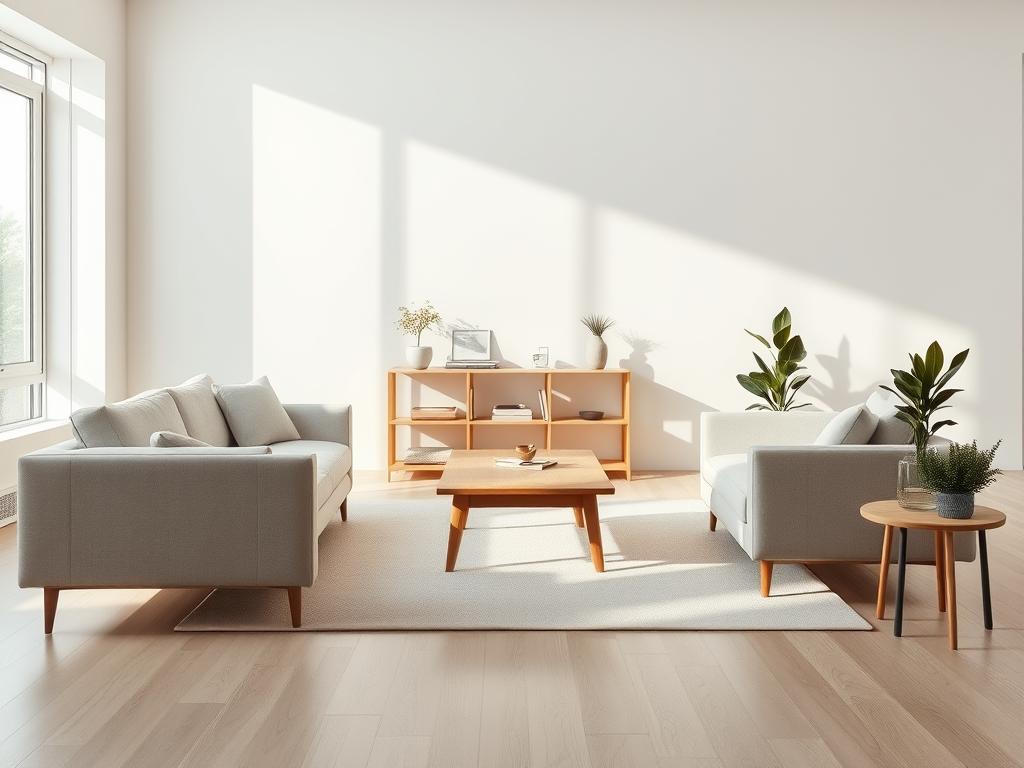
Multi-Functional Furniture Options
Multi-functional pieces reduce clutter and serve more than one purpose. A sofa bed or daybed offers seating by day and a guest bed by night. Storage ottomans combine seating with hidden compartments for blankets and toys.
Lift-top coffee tables conceal remote controls and magazines while creating a work surface. Murphy beds reclaim floor area in studio apartments. Dining tables with extension leaves adapt to daily use and host guests without occupying constant space.
Desks that double as vanities let a bedroom or tiny apartment keep fewer standalone pieces. Retailers such as IKEA, West Elm, CB2, Article, and Wayfair provide a range of price points and reliable designs. Choosing a trusted brand helps ensure durability and a consistent aesthetic for lasting minimalist home organization.
Space-Saving Furniture Ideas
Slim-profile furniture keeps sightlines clear. Floating shelves and slim media consoles store items without bulk. Nesting tables tuck away when not in use.
Wall-mounted desks offer a compact workspace that folds into the wall or holds a single chair. Modular seating can be rearranged to suit different needs. Selecting fewer, high-quality pieces reduces visual clutter while improving function.
These space-saving furniture ideas support a streamlined look and help maintain open floor plans.
Material, Scale, and Placement Strategies
Match furniture scale to room dimensions to avoid crowding. Neutral colors and simple lines create a cohesive minimalist aesthetic. Durable materials such as solid wood, metal frames, and tightly woven fabrics reduce the need for frequent replacement.
Place multi-functional items where they work best. Put a storage ottoman near a sofa to serve as extra seating and storage. Keep pathways at least 30–36 inches wide for comfortable movement.
Arrange pieces to preserve natural light from windows and avoid blocking sightlines.
Budget and Sustainability
Balance cost with longevity for the best value. Higher upfront costs can pay off through years of use. Shopping secondhand often yields well-built pieces at lower prices.
Platforms like Facebook Marketplace and OfferUp and local consignment stores help find quality items with smaller environmental footprints.
| Piece | Function | Recommended Retailers | Why It Fits Minimalist Home Organization |
|---|---|---|---|
| Sofa Bed / Daybed | Seating + Sleep | West Elm, Article, IKEA | Saves space by combining two key functions without extra furniture. |
| Storage Ottoman | Seating + Hidden Storage | Wayfair, CB2, IKEA | Offers concealed storage to reduce visible clutter and maintain flow. |
| Lift-Top Coffee Table | Surface + Storage | CB2, Wayfair, Article | Creates a flexible workspace and hides daily items out of sight. |
| Murphy Bed | Sleep + Floor Space | IKEA partners, local installers | Reclaims floor area in small homes while maintaining clean lines. |
| Nesting Tables | Extra Surfaces | West Elm, Wayfair, IKEA | Provide occasional tabletop space that tucks away when unused. |
| Wall-Mounted Desk | Workspace | IKEA, Article, local carpenters | Minimizes footprint and keeps work zones compact in small rooms. |
Decluttering Specific Areas
Targeted efforts make minimalist home organization feel achievable. Breaking work into room-sized tasks keeps momentum. It also reduces decision fatigue.
Small daily rituals and smart storage choices transform cluttered rooms into calm, usable spaces.
Organizing the Kitchen
Prioritize function over form by keeping countertops clear. Store rarely used appliances in upper cabinets or the pantry. Keep frequently used utensils and pots within reach.
This speeds meal prep and reduces visual clutter.
Use labeled containers from trusted brands like OXO and Rubbermaid for dry goods. Install vertical dividers for baking sheets and cutting boards. Add drawer organizers and a spice rack to maintain order.
Adopt a pantry inventory system and rotate staples regularly. This helps cut expired food waste. Wrap and recycle sharp knives properly for safety.
Donate extra cookware to local shelters or community kitchens when items remain in good condition.
Streamlining the Living Room
Curate decor by choosing a few meaningful pieces rather than many small items.
A limited color palette and consistent textures make minimalist home decor feel intentional and restful.
Opt for concealed storage such as media consoles with doors and uniform baskets. These hide remotes, games, and chargers. Style the coffee table minimally with one tray or a single stack of books.
Create dedicated zones for electronics. Use cord-management tools like cable boxes and Velcro ties. Recycle e-waste at designated drop-off centers when replacing devices.
Simplifying the Bedroom
Keep surfaces minimal by limiting nightstand items to essentials. Make the bed every morning to set a calm tone.
Build a capsule wardrobe of versatile pieces and rotate seasonally. Use slim hangers, closet organizers, shoe racks, and under-bed storage for off-season clothing.
Choose a quality mattress and streamlined bedding. This reduces the need for many pillows and spare linens. Donate wearable clothing in good condition to thrift shops or community programs.
Quick daily rituals help maintain each room. Wipe kitchen surfaces after meals. Fluff and fold living room throws each evening. Spend five to ten minutes returning items to their homes.
These small actions support long-term minimalist home decor and cut recurring clutter.
| Area | Key Actions | Storage Solutions |
|---|---|---|
| Kitchen | Clear countertops, rotate pantry staples, donate extra cookware | Labeled containers (OXO, Rubbermaid), vertical dividers, drawer organizers |
| Living Room | Curate decor, conceal electronics, limit color palette | Media consoles with doors, uniform baskets, cable organizers |
| Bedroom | Limit surfaces, create capsule wardrobe, rotate seasonal items | Slim hangers, closet organizers, under-bed bins, shoe racks |
| Maintenance | 5–10 minute daily tidy routines, safety disposal, donate or recycle | Labels, inventory lists, e-waste drop-off protocols |
The Role of Digital Organization
Minimalist home organization goes beyond just the living room and bedroom. It includes email inboxes, cloud storage, photos, and apps on all devices. A focused digital plan helps keep the home calm and speeds up daily routines.
Decluttering Digital Spaces
Start by doing a digital audit. Unsubscribe from unwanted newsletters and delete or archive old emails. Move important emails into clearly named folders or labels.
Delete duplicate photos and back up key images to cloud services like Google Photos or Apple iCloud.
Use a simple folder system: Year > Project or Personal > Action. Keep file names consistent so you find documents quickly.
Set aside 15–30 minutes each week for digital sprints. Clear downloads, cache, and temporary files regularly.
Scan paper receipts, warranties, and manuals. Store these in encrypted folders. Keep critical papers like tax forms and property deeds secure but easy to access.
This reduces physical clutter and supports long-term minimalist organization at home.
Apps for Minimalist Organization
Choose tools that combine tasks and make work easier. For email, use Gmail filters, Spark, or Microsoft Outlook to focus on top messages.
For notes and task lists, try Evernote, Microsoft OneNote, Notion, or Todoist to centralize household information.
Use Google Photos or Apple Photos for automatic backups and to find duplicate images.
Apps like Sortly, Nest Egg, or Home Inventory help track belongings. This aids insurance and decluttering decisions.
To sell items quickly, use OfferUp, Facebook Marketplace, or Poshmark.
Protect your digital files with two-factor authentication and encrypted cloud storage. Regularly perform security audits and backups.
Smart app choices help maintain digital decluttering and support minimalist home organization.
Maintaining Minimalist Spaces
Keeping a tidy home is easier when routines replace occasional big cleanup sessions. Small, steady actions protect the gains from a big declutter. The guidance below blends simple daily steps with seasonal tips to help keep minimalist home organization.
Daily Habits for Clutter-Free Living
Start each morning by making the bed. A made bed sets a calm tone and cuts visual clutter. Return items to their places after use to avoid pileups.
Use a 10-minute nightly tidy to clear surfaces and stop small messes from growing. Process mail right away. Sort it into action, recycle, or shred so paper does not build up.
Follow the “touch it once” rule: handle an item once and decide what to do with it. Involve family members by giving them simple duties. Hold weekly check-ins to stay coordinated.
Use a monthly donation bag. Add items through the month for donation pickup or drop-off. Focus on one room per day during weekly cleaning to prevent feeling overwhelmed.
Seasonal Decluttering Tips
Spring is perfect for a deep closet clean and organizing outdoor gear. Clean windows and clear storage spots to welcome warmer months.
Summer works well for rotating seasonal clothes and tidying outdoor furniture and tools. Declutter travel items so trips begin with order.
Fall is the time to prepare guest spaces and streamline seasonal decor. Organize gift wrap and holiday supplies to avoid last-minute rushes.
Winter invites checking pantry and comfort items and removing holiday clutter. Use this season to plan organizing tax and financial documents.
Reassess storage each season. Replace or repurpose containers that don’t work. Donate items unused in the past year and update digital inventories.
Track progress by journaling small wins, photographing changed spaces, and using apps or calendar reminders to meet your goals.
Mindset Shifts for Lasting Change
Adopting a minimalist lifestyle starts in the mind. Small changes in values create steady progress toward a calmer home.
Practical habits and clear boundaries reinforce minimalistic ideas. This makes changes feel lasting, not just temporary.
Embracing the Philosophy
Prioritizing quality over quantity guides daily choices. Choosing durable items reduces turnover and clutter.
Viewing possessions as tools, not identity, makes decision-making easier. Intentional shopping habits curb impulse buys.
Simple steps include making wish lists, waiting before purchases, and tracking item use. These tactics support minimalist home organization.
Overcoming Emotional Attachments
Sentimental items are a real challenge. Setting one memory box per person creates manageable limits.
Photographing bulky items before letting them go saves memories without using space. Reframing objects as life records helps with letting go.
Reflection prompts like “What does this item allow me to do?” help decide what fits a minimalist lifestyle.
Behavioral experiments test attachments gently. Living without nonessential items for 30 days shows if they are truly needed.
Setting small budgets and practicing daily gratitude reduce reliance on things for happiness. Social habits matter when family gives gifts.
Sharing wish lists and asking for experiences align social life with minimalism. Rituals focused on time together shift attention from gifts.
Long-term upkeep needs routines. No-buy months, following minimalism blogs, and re-evaluating goals each season keep the home in balance.
These habits protect the calm created with minimalist home organization and lock in progress.
Resources for Minimalist Home Organization
To move from theory to action, curated resources make minimalist home organization easier.
Readers can pair practical guides with inspiration, tools, and hands-on help for lasting change.
Below are vetted books, blogs, and professional resources suitable for beginners and experienced declutterers.
Recommended Books on Minimalism
Key books on minimalism offer step-by-step methods and mindset shifts.
Marie Kondo’s The Life-Changing Magic of Tidying Up explains the KonMari method and keeping items that spark joy.
Fumio Sasaki’s Goodbye, Things gives candid reflection and downsizing tactics.
Joshua Becker’s The Minimalist Home delivers room-by-room strategies for creating intentional spaces.
Greg McKeown’s Essentialism: The Disciplined Pursuit of Less focuses on prioritizing what truly matters.
Influential Minimalist Lifestyle Blogs
Reliable minimalist blogs and sites provide ongoing tips and real-life examples.
Becoming Minimalist and The Minimalists publish essays, podcasts, and practical action plans.
Minimalist Baker simplifies kitchen routines with easy recipes that reduce waste and excess.
Apartment Therapy and The Spruce offer small-space solutions and decor ideas aligned with minimalist home organization.
Professional Organizers to Consider
When projects exceed DIY limits, professional organizers are the bridge to help.
The National Association of Productivity & Organizing Professionals (NAPO) has a directory to find certified organizers in the US.
Retailer concierge services, like The Container Store’s teams and IKEA planning for PAX systems, support installations and customized layouts.
Searching local business listings helps locate specialists in small-space solutions and sentimental-item workflows.
Readers should mix resources: start with one recommended book on minimalism and follow a few lifestyle blogs.
Calling a professional organizer helps with complex challenges.
Using books, blogs, apps, and expert help builds momentum and makes minimalist home organization sustainable.