

Nearly 80% of Americans say clutter causes stress. Most homes use less than half of their vertical space. This gap makes small spaces feel crowded and inefficient.
This guide offers practical vertical storage ideas to maximize space in U.S. homes and apartments. Vertical storage uses height, walls, and ceilings instead of floor space. Key principles include reachability, weight capacity, safety, and visual balance.
Rising urban density and smaller homes make vertical storage essential. More people work from home now. Thoughtful solutions can increase usable space and improve organization.
The article is organized room by room: living areas, kitchens, bathrooms, bedrooms, offices, outdoor spaces, and attics or basements.
It covers sustainable options, wall-mounted shelving, floating shelves, and tips for saving space in tight layouts.
Readers will find innovative storage ideas, recommended brands, and product types. Installation basics like anchors, studs, and weight ratings are explained. There are also design tips to keep a clean look while adding vertical storage.
Understanding the Importance of Vertical Storage
Vertical storage changes how a room feels and works. By thinking upward, a home can free floor space and improve movement. This helps in kitchens, bathrooms, bedrooms, and living rooms.
Small homes gain storage without costly renovations using smart vertical solutions.
Using walls and height makes organization easier. Shelves and tall cabinets help group items by use and boost visibility.
They also make cleaning faster. Items kept within reach make tasks easier and reduce strain. Retailers like IKEA, The Container Store, and Wayfair offer modular pieces that blend storage with decor.
These pieces create visual height and neat sightlines.
Choosing vertical storage usually costs less than adding living space. Modular units allow you to buy pieces over time, keeping budgets flexible.
Built-in or floating shelves serve as design accents and add value without heavy remodeling.
Small spaces bring real challenges. Low ceilings, weak drywall, and rental rules may limit permanent fixes.
Safety is important when shelves hold heavy items; overloaded mounts risk falling. Use drywall anchors, toggle bolts, or ceiling tracks to secure heavy systems.
Renters who avoid drilling have options too. Tension rods, adhesive hooks, and freestanding tall organizers provide clever storage without wall damage.
Choosing lightweight materials helps reduce load while keeping items easy to reach.
Vertical storage can feel overwhelming if all walls are filled. Clutter often climbs without balance.
Keep negative space, mix decorative objects with storage, and use consistent colors to avoid visual chaos. This keeps rooms calm.
Accessibility is key for placement. Store heavy or often-used items lower for older adults or those with mobility problems.
Pull-down shelves and sturdy step stools with handrails make upper storage safer and easier to use.
Creative Vertical Storage Solutions for Homes
Smart homeowners turn unused wall height into practical storage. Creative organization solutions help clear floors. They lift clutter into stylish displays.
These ideas balance function and form. Small rooms feel larger and more ordered.
Wall-Mounted Shelving Units
Wall-mounted shelving units come in many formats: bracketed shelves, track-and-stand systems, full-height built-ins, and cube systems. Brands like IKEA’s ALGOT and BOAXEL, Rubbermaid wall storage, and ClosetMaid offer reliable modular choices.
These units suit entryways, garages, and pantries. Install shelves after locating studs and using anchors rated for expected loads. Measure carefully and use a level.
For books, allow 12–16 inches of vertical spacing. Leave extra height for decorative items or baskets.
Designers suggest mixing closed cabinetry with open shelves. This adds contrast and interest. Stagger shelves vertically to draw the eye upward.
Add doors to lower sections to protect items from dust and to hide seasonal gear.
Use wall-mounted units for pantry overflow, toy rotation, seasonal gear, and plant displays. Cube systems suit bins and baskets.
Full-height builds maximize storage for tall hallways.
Floating Shelves for Decorative Storage
Floating shelves use concealed brackets so they appear to hover on the wall. This minimalist approach keeps rooms feeling airy and uncluttered.
Materials include solid wood, such as oak or pine, MDF with veneer, metal, and tempered glass.
Mind load limits and care instructions. Avoid placing heavy stone or large collections on glass shelves. Follow weight recommendations from manufacturers.
Distribute weight evenly across each shelf.
Stylistic tips: display framed photos, small plants, decorative baskets, and a curated stack of books. Group shelves in odd numbers and vary lengths to create visual interest.
Lean shorter framed prints against the wall on a shelf for layered depth.
Renters can use alternatives that do not damage walls: command-strip-compatible shelving brackets, leaning shelves, or adhesive systems rated for framed displays.
These options maintain flexibility while supporting creative organization solutions and vertical storage design ideas.
Vertical Storage Ideas for Kitchens
Many kitchens gain a fresh, functional feel when vertical thinking guides design. This section shows practical ideas that clear counters and make cooking smoother. The focus stays on smart systems for cabinets and hanging solutions that fit budgets and rental rules.
Racks and organizers inside cabinets turn wasted height into useful tiers. Plate holders and shelf risers stack items so plates, bowls, and mugs sit at easy reach. Pull-out pantry shelves and slide-out baskets give full access to back items.
They cut wasted trips to the back of the cabinet. Choose hardware that fits cabinet depth and door swing. Brands like Rev-A-Shelf offer pull-out shelving and full-extension slides that show back items.
Soft-close glides reduce slamming and wear over time. Small vertical dividers work well for baking sheets and cutting boards. Tension rods create temporary vertical sections for lids and pans without drilling.
Lazy Susans solve corner-cabinet black holes and keep jars visible and tidy. For daily use, place frequently used items at eye level. Group utensils by function to speed prep.
Labeled bins for spices or sauce packets keep small items from scattering. They support space-saving tips that reduce clutter. Hanging pot racks free much cabinet space and keep cookware in sight.
Ceiling-mounted racks suit open kitchens with strong joists. Wall-mounted racks and rail systems with hooks fit smaller walls. They add a decorative focal point in farmhouse or industrial kitchens.
Weight matters when picking a pot rack. Secure ceiling mounts into joists and keep heavy items close to support points. Affordable options like IKEA VARIERA rails or over-cabinet hooks help renters use smart storage hacks.
Renters can also use wall pegboards, magnetic knife strips, and adhesive over-cabinet hooks to reduce countertop clutter. Wipe metal racks regularly to prevent grease buildup. Check supports often so pans do not fall.
Utilizing Vertical Space in Bathrooms
Bathrooms often have limited floor area, so making smart choices is important. This section shows practical vertical storage ideas. These help free counters and keep essentials within easy reach.
It offers ways to use vertical space well while keeping the room tidy and resistant to moisture.
Tall Cabinets and Shelving Solutions
Narrow, tall linen cabinets and tower units fit towels, toiletries, and cleaning supplies without taking much floor space. Brands like Home Depot’s Hampton Bay and IKEA’s GODMORGON offer tower cabinets with slim footprints for modern bathrooms.
Floating medicine cabinets add mirror function with hidden shelves behind the glass. Corner tall cabinets make use of unused corners for storage. Choose moisture-resistant materials such as MDF with water-resistant finishes, PVC shelving, or marine-grade plywood for durability.
Use clear bins and labels to keep small items visible. Store everyday items at waist-to-eye level to avoid stretching. This setup helps make the most of vertical space and cuts clutter on sinks and counters.
Over-the-Toilet Storage Ideas
Over-the-toilet units use the vertical space above the tank. Ladder shelves, cabinet-top extenders, and wall-mounted shelves add storage for towels, plants, and toiletries.
Consider plumbing and clearance to ensure proper fit. Choose corrosion-resistant finishes and secure attachments to studs for safety. Mix open shelving for decorations with closed drawers for toiletries to reduce visual clutter.
Washable baskets or bins help contain small items and make cleaning easier. Careful placement and good finishes create vertical storage solutions that look nice and work well for daily use.
| Solution | Best Use | Material Suggestions | Brands or Examples |
|---|---|---|---|
| Tall Linen Cabinet | Towels, bulk toiletries | MDF with water-resistant finish, marine plywood | Hampton Bay tall cabinet, GODMORGON tower |
| Floating Medicine Cabinet | Daily-use items, mirror storage | Painted MDF, aluminum frame | IKEA mirrored cabinet, recessed models |
| Corner Tall Cabinet | Dead corner spaces, extra shelving | PVC, moisture-treated plywood | Custom corner towers, prefab corner units |
| Over-the-Toilet Ladder Shelf | Decor, towels, small baskets | Powder-coated steel, treated wood | Freestanding ladder shelves, wall-mounted units |
| Wall-Mounted Shelves Above Toilet | Display and quick-access storage | Vinyl-coated shelving, stainless steel brackets | Floating shelves, bracketed shelving systems |
Bedroom Vertical Storage Concepts
The bedroom benefits from smart storage ideas that free floor space and create a calmer atmosphere. Choosing solutions that combine form and function turns clutter into useful design.
Readers will learn practical tips for beds with built-in storage. They will also discover ways to use wall space for books and decor.
Bed Frames with Built-in Drawers
Under-bed storage in platform and captain’s beds adds capacity without increasing the room footprint. IKEA’s BRIMNES and Walmart’s Better Homes & Gardens lines offer drawers and lift-up platforms.
These hidden spaces store linens, seasonal clothing, and extra pillows. Lift-top beds use pneumatic hinges to access large compartments easily. Drawers provide segmented storage for shoes and bulky items.
Before buying, verify the frame supports mattress weight plus stored goods. Also check drawer glide quality for smooth operation over rugs.
For better organization, use vacuum-seal bags for bulky bedding and dividers for smaller items. Label drawer faces so the most-used pieces are simple to find.
These space-saving storage tips keep bedrooms tidy without sacrificing style.
Using Wall Space for Books and Decor
Tall bookcases and wall-mounted shelves make walls do the work of floor space. Floor-to-ceiling units create a built-in look and anchor the room visually. Ladder shelves offer a slim footprint while keeping reading material accessible.
Place shelving to flank a headboard or above a nightstand to free bedside surface area. Mix functional storage with decorative objects to avoid a crowded feel.
Baskets on lower shelves hide miscellaneous items and improve visual order. Accessibility matters. Keep frequently read books and nightly essentials on lower shelves.
Attach reading lights to shelving or use wall sconces to remove the need for bulky nightstands. These innovative storage ideas help bedrooms feel larger and more organized.
Vertical Storage for Living Areas
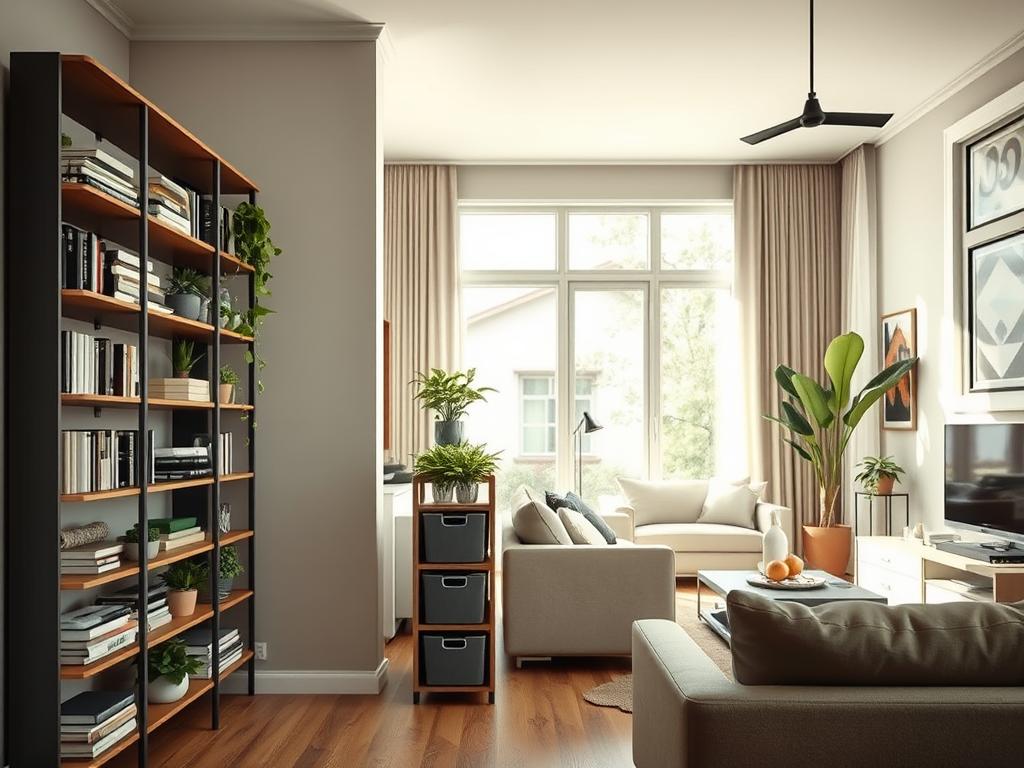
Living areas need smart solutions to stay tidy without crowding the floor. Vertical storage uses walls and tall furniture as organizers. A short plan helps homeowners pick pieces that match style and function.
Multi-Functional Furniture with Vertical Features
Furniture that pulls double duty reduces the number of items in a room. Entertainment centers with tall shelving create a media zone and display area in one unit. Sofa armrest organizers and storage ottomans stacked near shelving free up tabletop space.
Folding wall-mounted desks, like murphy desks, turn blank walls into productive nooks when needed. Wall beds with shelving keep guest rooms usable and offer vertical storage for high ceilings.
Before buying, measure ceiling height and doorways to ensure delivery fits. Choose modular systems to allow shelves and cabinets to be reconfigured as needs change. These clever storage hacks help hide clutter behind doors or drawers.
Bookcases and Display Shelves
Tall bookcases, ladder shelves, and modular cube units add depth and personality to living rooms. Retailers like IKEA, Wayfair, and Target offer styles from classic to modern, including the popular IKEA BILLY.
Safety matters: anchor tall bookcases to studs with anti-tip kits to prevent accidents. Use closed cabinets at lower levels to hide electronics, games, or bulky items.
Styling tips improve balance in your space. Group objects by height and color, leave negative space to avoid clutter, and add puck lights or LED strips to highlight displays. These vertical storage ideas pair well with slim baskets or labeled bins for easy access.
| Solution | Best Use | Purchase Tip |
|---|---|---|
| Entertainment center with tall shelving | Media, books, framed photos | Measure wall width and ceiling height; pick modular units |
| Folding wall-mounted desk (murphy desk) | Small living rooms that double as workspaces | Check mounting requirements and wall studs |
| Wall bed with built-in shelving | Guest rooms and studio apartments | Confirm mattress size and clearance for shelves |
| Ladder shelf or tall bookcase | Display pieces and books in narrow spaces | Anchor to wall; choose adjustable shelves for flexibility |
| Storage ottoman stacked near shelving | Extra seating and hidden storage | Match height to adjacent shelving for cohesive look |
Outdoor Vertical Storage Solutions
Outdoor spaces need smart vertical storage ideas to save floor space and add function. Small patios and balconies gain greenery and privacy. Garages and sheds stay organized with tall, weatherproof units.
The right approach blends plants, tools, and durable materials. This boosts curb appeal and utility outdoors.
Vertical Gardens for Small Patios
Vertical gardening systems like wall planters, pocket planters, tiered stands, and trellises maximize limited space. Woolly Pocket wall planters and pallet gardens work well for herbs and flowers.
DIY pallet systems are a low-cost option for renters and homeowners. These setups add greenery without taking up floor area. They improve air quality and can screen balconies for privacy.
In sunlit spots, choose herbs and succulents. Shaded areas suit ferns and hostas. Use lightweight soil mixes and ensure drainage to protect walls and decking from moisture damage.
Mount planters to exterior-grade sheathing when possible. If drilling is limited, select freestanding or ladder-style racks. Secure fastenings and check often to prevent damage during wind or rain.
Outdoor Shelving Units for Tools and Supplies
Tall metal or plastic shelving units provide practical vertical storage in garages, sheds, and covered patios. Brands like Husky, Gladiator, and Rubbermaid FastTrack offer weather-resistant options for outdoor use.
Materials matter. Galvanized steel, powder-coated finishes, and UV-resistant plastics resist rust and sun damage. Use labeled bins for seasonal gear and stackable containers for easy access.
Vertical pegboards keep hand tools visible and off floors. Safety depends on anchoring and weight distribution. Anchor shelves to studs or concrete floors and place heavy items lower for stability.
Overhead racks hold seldom-used items, freeing wall space for daily tools and garden supplies.
| Feature | Best For | Materials | Maintenance |
|---|---|---|---|
| Wall planters and pocket systems | Small patios, herb gardens, privacy screens | Plastic, felt pockets, cedar frames | Check drainage, refresh soil seasonally |
| Tiered plant stands and trellises | Potted displays, climbing plants | Wood, powder-coated metal | Seal wood, tighten fasteners yearly |
| Freestanding vertical planters | Rented balconies, hotspots with drilling limits | Plastic, composite, lightweight metal | Inspect anchors, move for extreme weather |
| Garage/shed shelving units | Tools, seasonal gear, landscaping supplies | Galvanized steel, powder-coated metal, UV plastics | Anchor to studs, clean debris, lubricate moving parts |
| Pegboards and hanging systems | Hand tools, small gardening items | PVC-coated metal, perforated hardboard | Reorganize monthly, replace rusted hooks |
Vertical Storage in Small Apartments
Making the most of a compact apartment means thinking up instead of out. Vertical storage ideas help renters and owners reclaim floor space while keeping rooms bright and functional.
Simple shifts in layout and furniture choice deliver big gains in usability.
Space-Saving Furniture for Tight Areas
Choose pieces that work upward. Loft beds with desks beneath or Murphy beds with built-in shelving free central floor area.
Narrow, tall dressers and wall-mounted fold-out tables suit studios and micro-apartments.
Brands like Resource Furniture and IKEA offer modular, multi-use options that fit many budgets. Zone functions vertically by sleeping up and working down.
Use sliding doors to avoid swing space. Pick light-colored finishes to keep rooms feeling open.
Renters should favor non-permanent solutions like tension-rod shelving, freestanding bookcases, and adhesive-backed organizers. These storage solutions avoid security deposit issues.
Creative Use of Closets
Maximize closet height with double-hang systems and hanging shelves. Vertical shoe organizers and door-back hooks add tiers for footwear and accessories.
Pull-down rods make high spaces reachable without needing a ladder.
Pre-fabricated closet systems from ClosetMaid and Elfa at The Container Store offer adjustable rods, shelves, and drawers. They use every inch of vertical height.
Store off-season items in labeled vacuum bags up high. Use clear bins for visibility on top shelves.
For lower sections, slide-out baskets keep commonly used items accessible. Add battery-powered LED puck lights to brighten deep corners.
Use a small folding step stool for safe access to lofty shelves.
Sustainable Vertical Storage Options
The push toward greener homes makes vertical storage a way to save space and reduce waste.
This section outlines practical ways to use sustainable vertical storage. These options blend function with eco-conscious design.
Repurposing old furniture keeps pieces out of landfills and creates unique vertical systems. A dresser can become a pantry tower by removing drawers, adding shelves, and anchoring it to the wall.
Simple steps make repurposed furniture safe and attractive. Clean and sand reclaimed wood. Use low-VOC paints or sealants. Reinforce joints with metal brackets or plywood backing.
Small hardware upgrades like new pulls from stores such as Home Depot refresh the look at a low cost.
A leaning ladder can become a rustic shelving unit in a hall or bathroom. Reclaimed pallets make tiered garden shelves for balconies.
A used bookcase with fresh paint and anchoring works well in a mudroom for shoes and bins.
Eco-friendly materials for shelving provide durable alternatives to conventional lumber. Bamboo grows fast and offers a strong, renewable option.
FSC-certified hardwoods support responsible forestry. Reclaimed wood reduces new timber demand and adds character.
Metal shelving with powder-coat finishes lasts long and can be recycled. Recycled plastic composites resist moisture in basements and outdoors, reducing maintenance needs.
Choose water-based stains, low-VOC paints, or formaldehyde-free plywood to lower indoor emissions.
When shopping, look for certifications like FSC, GREENGUARD, or Cradle to Cradle to verify product claims.
Local craftsmen and shops often offer reclaimed or certified options. These match custom sizes and reduce shipping impacts.
Maintain shelving to extend its life. Tighten fasteners, recoat exposed surfaces, and avoid single-use plastic bins when possible.
If a unit is no longer needed, resell or donate it. This helps keep materials in use and lowers waste.
Vertical Storage for Office Spaces
Office setups gain calm and focus when storage moves upward instead of spilling out. Simple vertical storage ideas change a cramped desk into a clear workspace. They also make documents easy to find.
This section covers practical tools and layout tips that improve flow in both home and corporate offices.
The right wall organizers keep essentials visible and cut desktop clutter. Wall-mounted file pockets, mail sorters, pegboards, magnetic boards, and modular panel systems create defined work zones. Systems like Wall Control or IKEA SKÅDIS work well.
Place organizers within arm’s reach of your primary work area. Group pockets by function such as urgent, reference, and archive. Labeling trays and pockets speeds retrieval.
Add cable-management clips and monitor mounts to free surface space. These creative solutions support focus by keeping frequently used items at eye level. They reduce time spent searching for papers and tools.
Tall vertical file cabinets and stacked lateral systems store large paper loads without using extra floor space. Vertical literature racks hold brochures and catalogs in narrow corridors. Mount shelves above cabinets to keep reference books and supplies handy.
Security and ergonomics matter. Choose lockable cabinets for confidential files and anti-tip brackets for tall units. Look for drawers with heavy-load-rated slides to handle dense files.
Brands such as HON, Steelcase, and IKEA offer reliable vertical storage solutions. Refurbished office furniture can cut costs and lower environmental impact.
Use this checklist when planning installation:
- Measure wall height and desk reach to set organizer placement.
- Group items by task to form focused zones.
- Combine vertical filing with overhead shelving for mixed storage.
- Secure tall units with anti-tip hardware for safety.
- Integrate cable clips and monitor arms to reduce surface clutter.
| Storage Type | Best For | Key Benefit | Recommended Brands |
|---|---|---|---|
| Wall File Pockets | Daily papers and mail | Keeps documents visible and organized | IKEA SKÅDIS, Wall Control |
| Pegboards & Modular Panels | Tools, supplies, small electronics | Flexible layout and quick access | Wall Control, Gorilla Rack |
| Tall Vertical File Cabinets | Client files and archives | Maximizes floor-to-ceiling storage | HON, Steelcase |
| Vertical Literature Racks | Brochures and catalogs | Organizes printed materials in narrow spaces | Itoya, STORi |
| Refurbished Office Units | Budget-conscious setups | Cost-effective and eco-friendly | Local dealers, national refurbishers |
Maximizing Attic and Basement Spaces
Attics and basements often have odd angles, low clearances, and unused height. Smart planning can turn those awkward zones into organized storage. Vertical storage ideas change clutter into usable space.
Custom Shelving for Irregular Spaces
Custom-built shelving fits sloped rafters, knee walls, and uneven basement ceilings. Using plywood or OSB for framing keeps costs down. Powder-coated metal brackets offer adjustable support for changing needs.
Prefabricated sloped-shelf kits speed installation when DIY time is limited.
Before adding wood shelves, check for moisture and pests. In damp basements, use treated lumber or plastic shelving that resists rot. In attics, confirm proper insulation and ventilation to protect stored items and the building.
When loads are heavy, measure clearances and weight limits. Local carpenters or modular storage companies can design shelves that meet codes and fit odd spaces. Adjustable brackets allow later reconfiguration.
Using Vertical Storage to Declutter
Start by sorting possessions into keep, donate, recycle, and discard. Place seldom-used items on higher shelves. Store seasonal gear in labeled bins stacked vertically to save floor space.
Overhead ceiling racks and pulley-mounted systems work well for bulky items like kayaks and holiday decorations. They free walking space and protect items from basement dampness when used with raised shelving.
To preserve contents, use desiccant packs and keep boxes off concrete floors. Climate control helps when storing valuable textiles or paper goods long term. Maintain an inventory list, digital or printed, to avoid duplicates and wasted searches.
| Challenge | Custom Option | Material Recommendation | Maintenance Tip |
|---|---|---|---|
| Sloped attic rafters | Sloped-shelf kits or built-in angled shelving | Plywood with powder-coated brackets | Ensure attic ventilation and inspect insulation annually |
| Low basement ceiling | Shallow vertical shelving and wall-mounted racks | Treated lumber or vinyl shelving | Raise shelving on blocks to avoid floor moisture |
| Bulky seasonal items | Ceiling-mounted racks and pulley systems | Steel racks with corrosion-resistant finish | Use desiccants and rotate items yearly |
| Irregular clearances | Modular units with adjustable brackets | OSB framing and metal supports | Measure loads and consult a carpenter if needed |
Organizing with Baskets and Bins
Effective vertical storage blends function and form. It uses stackable clear bins and woven baskets to build upward without clutter.
This approach gives vertical storage ideas that work in closets, pantries, garages, and living rooms. It maintains easy access and visual appeal.
Stackable Bins for Easy Access
Clear plastic stackable bins, modular storage boxes, and interlocking crates maximize vertical space.
Clear bins improve visibility so users can see contents at a glance. Pair them with weatherproof labels or inventory numbering for deep stacks.
For safety and longevity, place heavier items in lower bins. Latches keep lids secure, and rolling carts add mobility for seasonal storage.
Decorative Baskets for Vertical Storage
Woven seagrass, rattan, wire, and fabric baskets hide clutter while adding texture to vertical displays.
Mix basket sizes and place them on middle or lower shelves for frequent access. Liners protect delicate items, and handles ease removal from high shelves.
Choose moisture-resistant materials for kitchens and bathrooms. Use decorative baskets alongside labeled stackable bins to balance style and function.