

Nearly 40% of American households find expired items in their kitchen at least once a month. This wastes both time and money.
A simple pantry reset can fix this problem effectively.
This weekly pantry reset routine offers practical how-to tips for U.S. households. It helps with clear pantry organization ideas and faster restocking of staples.
The process takes 20–60 minutes and gets quicker with practice. It works well for busy families, single adults, and meal preppers.
The routine starts by assessing inventory and cleaning shelves. Next, sort items into clear canisters and add labels for easy access.
This routine links to meal planning, so users can plan dinners based on what’s available. It also helps avoid buying duplicates.
Basic tools include airtight containers, clear storage bins, labels, and a notepad or inventory app. Cleaning supplies are needed too.
Doing this weekly improves pantry visibility. It also cuts waste from forgotten items.
This method makes restocking pantry staples simple before they run out.
Importance of a Pantry Reset
A weekly pantry reset sets a clear baseline for the kitchen. It helps the household see what is on hand and spot items that need replacement. This makes it easier to plan simple meals around staples like canned beans, flour, rice, and spices.
Regular resets support kitchen inventory management by turning a chaotic shelf into a predictable resource. Clear visibility on shelves also reduces wasted time and money.
When items are grouped and labeled, family members find ingredients fast and avoid duplicate purchases. This protects the grocery budget and lowers the chance of spoilage.
Benefits of Organizing the Pantry
Organized storage boosts accessibility. Placing frequently used goods at eye level and using clear containers makes it easy to grab what is needed. This setup also helps people notice damaged packaging or pests early, which improves health and safety in the kitchen.
A neat pantry improves aesthetics too. Tidy shelves create a calmer kitchen and make the space feel more functional. These small visual wins encourage ongoing upkeep and make simple meal prep more pleasant.
How a Clean Pantry Saves Time
Meal prep speeds up when ingredients are sorted and labeled. Recipes calling for pasta, canned tomatoes, or vegetable oil become quicker when these items are easy to locate.
Weekly resets create a rhythm that streamlines restocking and reduces last-minute trips to the store. Accurate stock lists also reduce impulse buys and forgotten staples.
Good kitchen inventory management means shopping lists reflect true needs. That clarity shortens shopping trips and cuts mental load for busy households.
The Impact on Meal Preparation
Knowing what is available improves meal planning. When the pantry is organized, cooks can prioritize soon-to-expire items and follow a first-in, first-out habit. This practice reduces waste and saves money over time.
An orderly pantry encourages recipe flexibility. Seeing spices, grains, and canned goods at a glance inspires trying new dishes. Practical pantry organization ideas make it easier to mix and match staples for varied weeknight meals.
| Benefit | Practical Result | Example |
|---|---|---|
| Visibility | Faster ingredient retrieval | Clear containers for rice and pasta |
| Cost Control | Fewer duplicate purchases | Weekly inventory check before shopping |
| Food Safety | Early detection of spoilage | Rotate canned goods using FIFO |
| Time Savings | Shorter meal prep and shopping | Group spices and oils by use |
| Culinary Variety | More recipe experimentation | Organize kitchen shelves by cuisine or meal type |
Assessing Current Inventory
A clear inventory check starts the pantry reset. It shows what is on hand and what needs attention.
This step helps manage kitchen inventory. It makes restocking pantry staples easier and removes guesswork.
Checking Expiry Dates
Scan every item for “best by,” “use by,” and “sell by” dates. “Best by” means peak quality.
“Use by” dates guide safety for perishables. Discard opened canned goods and baking mixes past their prime.
For borderline items, check odor, texture, and color. Items expiring soon should be prioritized for upcoming meals.
Categorizing Food Items
Group items into sets: baking and grains, canned goods, snacks, oils and condiments, spices, and bulk goods.
Use bins labeled “keep,” “donate,” “discard,” and “re-home.” This speeds decisions and reduces second-guessing.
Note items that belong to more than one group. Canned tomatoes, for example, fit canned goods and meal-prep ingredients.
This helps meal planning and declutters pantry zones.
Identifying Unused Ingredients
Flag products unused for six to twelve months. Unopened shelf-stable goods can be donated to food banks like Feeding America affiliates.
Specialty or single-use items need a cost-versus-space check. Create a “try this week” list for recipe ingredients.
Use a spreadsheet, a kitchen app like Pantry Check, Out of Milk, or a whiteboard to track quantities and restock needs.
Cleaning the Pantry Space
A clean pantry sets the stage for any makeover. It helps owners declutter pantry areas with clear purpose.
This section lists supplies, a clear cleaning routine, and tips to maintain kitchen hygiene after the first scrub. The goal is a tidy space that supports smart storage and keeps food safe.
Essential Cleaning Supplies
Gather items before starting to speed the process. Use an all-purpose cleaner or a warm water and vinegar mix safe around food.
Microfiber cloths and sponges remove grime without scratching surfaces. Keep baking soda for odors and rubber gloves for hand protection.
Use a small broom or vacuum with a crevice tool for crumbs. Trash bags and disinfectant wipes help clear waste and sanitize knobs and handles.
Have food-safe storage containers ready. Airtight glass or BPA-free plastic containers work well when transferring opened dry goods.
Step-by-Step Cleaning Process
1. Empty shelves: Remove all items and place them on a clean table or counter. Sorting on a flat surface helps inspection.
2. Inspect and discard: Check for spills, pest signs, broken seals, or damaged packaging. Toss anything spoiled to keep food safe.
3. Dust and vacuum: Use a brush or vacuum crevice tool to remove crumbs from corners and shelf edges.
4. Wipe surfaces: Clean shelves, door edges, and corners with a food-safe cleaner. Follow care instructions for wooden shelves to avoid damage.
5. Deodorize: Sprinkle baking soda in problem areas or leave an open box on a shelf to absorb smells.
6. Dry thoroughly: Let shelves air dry or use a cloth to prevent moisture buildup. Return food only when surfaces are fully dry to prevent mold.
Maintaining Kitchen Hygiene
Keep open packages in airtight containers. This deters pantry moths and weevils and helps prolong freshness.
Store high-risk items such as nuts and whole grains in the refrigerator or freezer during high humidity. This reduces rancidity and extends shelf life.
Clean spills immediately and wipe bottles or jars before returning them to shelves. Shelf liners make future cleaning easier and protect surfaces.
| Task | Recommended Item | Benefit |
|---|---|---|
| Remove and inspect items | Clean counter space | Spot damaged packaging and expired goods quickly |
| Clean surfaces | All-purpose cleaner or vinegar solution | Sanitizes shelves while being safe near food |
| Deodorize | Baking soda | Absorbs odors for a fresher pantry makeover |
| Prevent pests | Airtight glass or BPA-free containers | Protects food and helps declutter pantry storage |
| Long-term care | Shelf liners, regular checks | Supports kitchen storage solutions and maintain kitchen hygiene |
Effective Organization Techniques
A tidy pantry starts with simple methods that save time and reduce waste. These ideas focus on visibility and practical storage. They help homeowners organize kitchen shelves and keep staples ready for meals.
Using Clear Storage Containers
Transparent bins and jars make it easy to see what is low. Glass Ball mason jars work well for flour and sugar. OXO Good Grips pop containers and Utopia Kitchen airtight sets suit cereals and snacks.
Match container sizes to purchase amounts to reduce empty space. Stackable bins free up shelf depth and reduce clutter. Choose airtight lids to keep food fresh.
Labeling for Easier Access
Label each container with the item name and date opened. Use a Brother P-touch or Dymo label maker for clear, waterproof tags. A standard format—item, date opened, use-by—makes quick shelf scanning.
Color-coded labels identify categories instantly. For example, green for baking, red for sauces, blue for grains. This helps everyone find ingredients faster.
Implementing a FIFO System
First-In, First-Out rotation reduces expired items. Place new purchases behind older ones so older goods get used first. Designate a “use first” or lower shelf for soon-to-expire items.
For bulk bins, keep scoops and mark refill levels to avoid overfilling. Pair FIFO with a weekly pantry reset to check rotation and update inventory. These solutions keep supplies fresh and organized.
Meal Planning Integration
A weekly pantry reset works best when meal planning links directly to what you have on hand. This keeps shopping focused and cuts waste.
It also makes weeknight cooking less stressful.
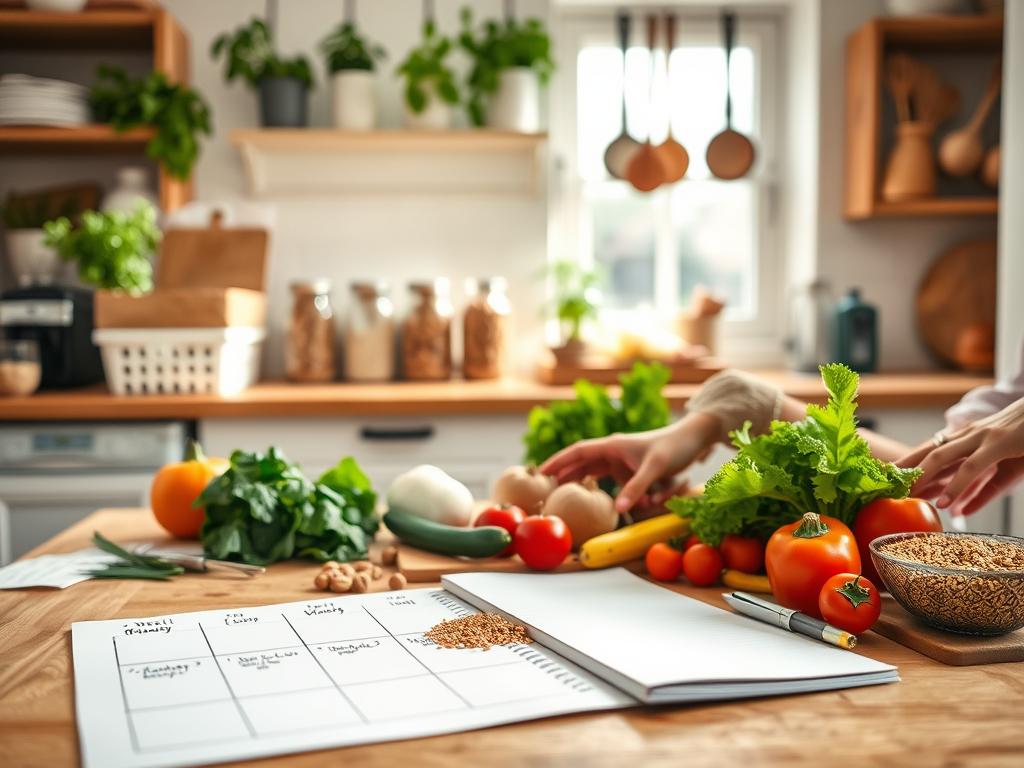
Start by reviewing inventory and noting items that need to be used soon.
Mapping ingredients to meals helps you choose recipes that use those items.
This step shows which pantry staples to restock and which to save for later.
Planning Based on Available Ingredients
Build menus around what is already in the pantry. For example, canned chickpeas, rice, and spices can become a curry or grain bowls.
Use simple inventory lists to match pantry items with meal ideas.
Apps like Paprika and Mealime can import pantry items to suggest recipes. They reduce guesswork and speed up planning.
Choosing Recipes to Reduce Waste
Choose flexible recipes such as soups, stews, casseroles, and sheet-pan meals. These use odds-and-ends and near-expiry produce well.
Batch-cook and freeze portions to save extra fresh items for busy days.
Turn leftover bread into breadcrumbs and overripe fruit into smoothies or muffins.
Small transformations keep food out of the bin and extend value from purchases.
Creating a Weekly Shopping List
Use the inventory review to create a shopping list with only needed items. Group purchases by store sections: produce, dairy, canned goods, baking.
This practice saves time and reduces impulse buys.
Keep a running list in a phone notes app or shared family app like Google Keep or AnyList.
Everyone can add items as stocks run low.
Shop after the pantry reset so the list reflects real needs and shows which pantry staples to buy.
| Step | Action | Benefit |
|---|---|---|
| Inventory Review | Check dates and list usable ingredients | Prevents spoilage and informs meal choices |
| Menu Mapping | Match ingredients to 4–6 meals for the week | Reduces last-minute decisions and food waste |
| Recipe Choice | Pick flexible dishes that use near-expiry items | Maximizes ingredient use and saves money |
| Shopping List | List only required restock pantry staples and fresh produce | Saves time at the store and avoids duplicates |
| Storage & Prep | Batch-cook, freeze portions, label containers | Makes reheating easy and extends meal options |
Common Pantry Mistakes to Avoid
Small errors can undo a careful pantry reset.
This brief guide highlights typical pantry mistakes and offers practical fixes that help declutter and restock pantry staples sensibly.
It also suggests ways to organize kitchen shelves for daily use.
Overlooking Expiration Dates
Keeping items past their safe or quality dates reduces flavor and can risk health.
A simple habit is to write the opened date on jars and packages.
Meal plans should focus on using goods that expire soon, so nothing gets forgotten.
Use a rotating “use first” bin for short-life foods.
This visual cue speeds decisions and supports regular pantry resets to prevent waste.
Buying Duplicates of Items
Out-of-sight products often cause accidental repeat purchases.
Do a quick inventory before shopping to avoid buying duplicates.
Low-effort tools like a whiteboard list or a phone app make checks fast.
If a sale tempts bulk buying, store extras in a labeled overflow area.
This preserves order and helps restock pantry staples without clutter.
Failing to Maintain Order
One-time organizing rarely lasts over time.
Schedule a short weekly reset to stop piles from growing and keep the system familiar.
Spot checks midweek catch small issues before they escalate.
Assign simple tasks to family members or rotate responsibility.
Clear roles sustain an organized space and make kitchen shelves easier to organize for visibility and FIFO rotation.
Other Common Pitfalls
- Not using airtight containers invites pests and speeds spoilage; airtight storage improves shelf life.
- Overcrowding shelves hides items and blocks airflow; leave breathing room to support rotation.
- Ignoring humidity and heat exposes sensitive products to damage; place heat-sensitive goods away from ovens and direct sunlight.
Sustainability Practices
Creating a sustainability pantry starts with small, practical habits. A mindful pantry reset can cut waste while saving money. It also makes meal prep smoother.
The steps below guide readers through practical changes that fit a busy household.
Reducing Food Waste
Plan meals around items that expire soon. Batch-cook meals and freeze portions for easy future use. Using a FoodSaver or vacuum sealer extends bulk food life.
Composting food scraps turns peelings and leftovers into soil. Many U.S. cities offer curbside composting or drop-off sites for kitchen waste.
Portion control during meal prep limits plate waste. Tracking discarded food helps improve future shopping and portion sizes.
Choosing Eco-friendly Packaging
Pick products with recyclable cardboard, glass, or minimal plastic. Refillable options at Whole Foods and local co-ops reduce single-use packaging.
Reusing glass jars and containers gives new life to packaging. It also creates uniform storage for pantry staples.
Brands with take-back or loop programs help consumers choose low-waste options. Buying in bulk lowers costs and reduces packaging waste.
Store bulk items properly using airtight jars and vacuum-sealed bags. This maintains quality and supports a sustainable pantry approach.
Donating Unused Foods
Unopened, shelf-stable items make great donations to local food banks and pantries. Feeding America and affiliates list acceptable items and safe donation methods.
Follow local guidelines: pack items securely, check expiration dates, and coordinate drop-offs during pantry drives or community events. Teaming with neighbors keeps surplus from going to waste.
Sharing extra food through community groups, churches, or workplaces helps redistribute it before quality declines. Donating instead of discarding supports social and environmental goals.
| Practice | Action | Benefit |
|---|---|---|
| Reducing Food Waste | Plan meals by expiry, batch-cook, compost scraps | Lower grocery costs, less landfill waste |
| Eco-friendly Packaging | Choose glass/cardboard, buy bulk, reuse jars | Less plastic waste, consistent storage |
| Donate Food | Drop off unopened items, follow local rules | Feeds community, prevents disposal of usable food |
| Storage Tools | Use FoodSaver, airtight jars, labels | Extended shelf life, organized pantry reset |
Seasonal Pantry Adjustments
A seasonal pantry keeps meals fresh and reduces waste. A quick pantry reset each season helps households adapt to changing ingredients and cooking needs.
This short guide shows how to adapt to seasons, prepare for holiday cooking, and store seasonal staples without stress.
Adapting to seasonal ingredients
Rotate your pantry focus to match the season’s produce trends. In summer, emphasize canned tomatoes, salsas, and sauces for grilling.
In winter, bring forward broths, dried beans, and baking supplies. Preserve excess harvests by canning with Ball jars or freezing berries, tomatoes, and herbs.
Label preserved items with dates to keep a reliable rotation during the next pantry reset.
Preparing for holiday cooking
Inventory holiday-specific staples before sales start. Stock up on broth, canned pumpkin, dried fruit, nuts, and spices like cinnamon and nutmeg.
Use these purchases to restock pantry staples for big meals. Create a holiday bin for rarely used items to keep daily staples organized.
Plan large-batch recipes and check servingware and containers for leftovers well before gatherings.
Storing seasonal staples
Store root vegetables and long-term items in cool, dark places. Put holiday baking ingredients in airtight containers to protect against moisture and pests.
Adjust humidity or refrigeration for items sensitive to heat, like chocolate and nut oils. Follow FIFO rules when using preserved goods.
Only buy in bulk or on sale if storage and preservation methods are secure. This ensures a smooth pantry makeover and a reliable seasonal pantry all year.
Ongoing Maintenance Tips
A reliable plan keeps a pantry tidy and useful. Small daily habits, weekly resets, and deep reviews prevent clutter and waste.
Clear roles and simple tools make kitchen inventory management easy for every household.
Scheduling Regular Pantry Checks
Set short weekly checks as part of the pantry reset. Use Google Calendar or Todoist for recurring reminders. The checklist includes spotting expired items, wiping spills, updating inventory, and making a shopping list.
Plan a thorough quarterly review for deep cleaning and reassessment. This session covers shelf reorganization, donating surplus goods, and replacing worn liners or damaged containers.
Family members can share tasks to keep the process steady and manageable.
Developing a Pantry Maintenance Routine
Daily habits keep order. Return items to their labeled spots, transfer opened goods into clear containers, and wipe spills immediately.
These actions help organize shelves and reduce time spent on larger cleanups.
The weekly routine ties into pantry checks. Rotate items using a first-in, first-out method during the weekly reset. Update the shared inventory list and note items to buy or donate.
Quarterly routines focus on system health. Deep clean shelves, reassess storage needs, and adjust inventory based on usage trends.
Tracking consumption helps fine-tune purchases and avoid overstocking.
Simple tracking tools work well. Use a magnetized whiteboard on the pantry door, a shared Google Keep list, or an inventory app to log restocks. Assigning chores—restocking staples, labeling containers, checking dates—shares effort and builds lasting habits.
| Cadence | Main Tasks | Recommended Tools |
|---|---|---|
| Daily | Return items to spots, wipe spills, reseal opened goods | Clear storage containers, labels, small cloth |
| Weekly | Quick pantry reset: check expirations, rotate stock, update list | Google Calendar, shared shopping list, magnet board |
| Quarterly | Deep clean shelves, reassess storage, donate surplus | Vacuum, baking soda cleaner, sturdy containers |
| Ongoing | Monitor usage, adjust buy quantities, maintain labels | Inventory app, spreadsheet, family task chart |
Final Thoughts on a Successful Pantry Reset
A weekly pantry reset includes inventory checks, a quick clean, and smart organization for a more efficient kitchen. Using clear storage containers and consistent labeling helps keep things neat. The FIFO rotation system reduces waste and prevents buying duplicates.
These pantry ideas work well with meal planning tips. Together, they turn a messy shelf into a reliable resource for weeknight cooking.
Start small to avoid feeling overwhelmed. Tackle one shelf or category the first week, like baking supplies. Then, expand to other areas gradually.
Treat the reset as a short, regular appointment. Add one organization tool each month if needed. This gradual approach suits real-life routines and seasonal changes.
With time, consistency brings clear benefits: fewer expired items, lower grocery bills, and faster meal preparation. Tracking grocery spending and cooking time shows your progress. Adjust container sizes, labels, and storage spots as needed.
The pantry reset becomes a lasting habit. It supports budget-friendly shopping and greener choices for your household.